September 1, 2026
Why Is Your Car Shaking When You Brake?
Why Is My Car Shaking When I Brake? Common Causes and Solutions
If your car shakes or vibrates when you press the brake pedal, don’t ignore it. Brake vibration can be a sign of worn or damaged components that may affect your vehicle’s stopping performance and safety.
While some causes are relatively minor, others require prompt attention. Understanding why your car shakes when braking can help you recognize problems early and avoid more expensive repairs.
What Causes a Car to Shake When Braking?
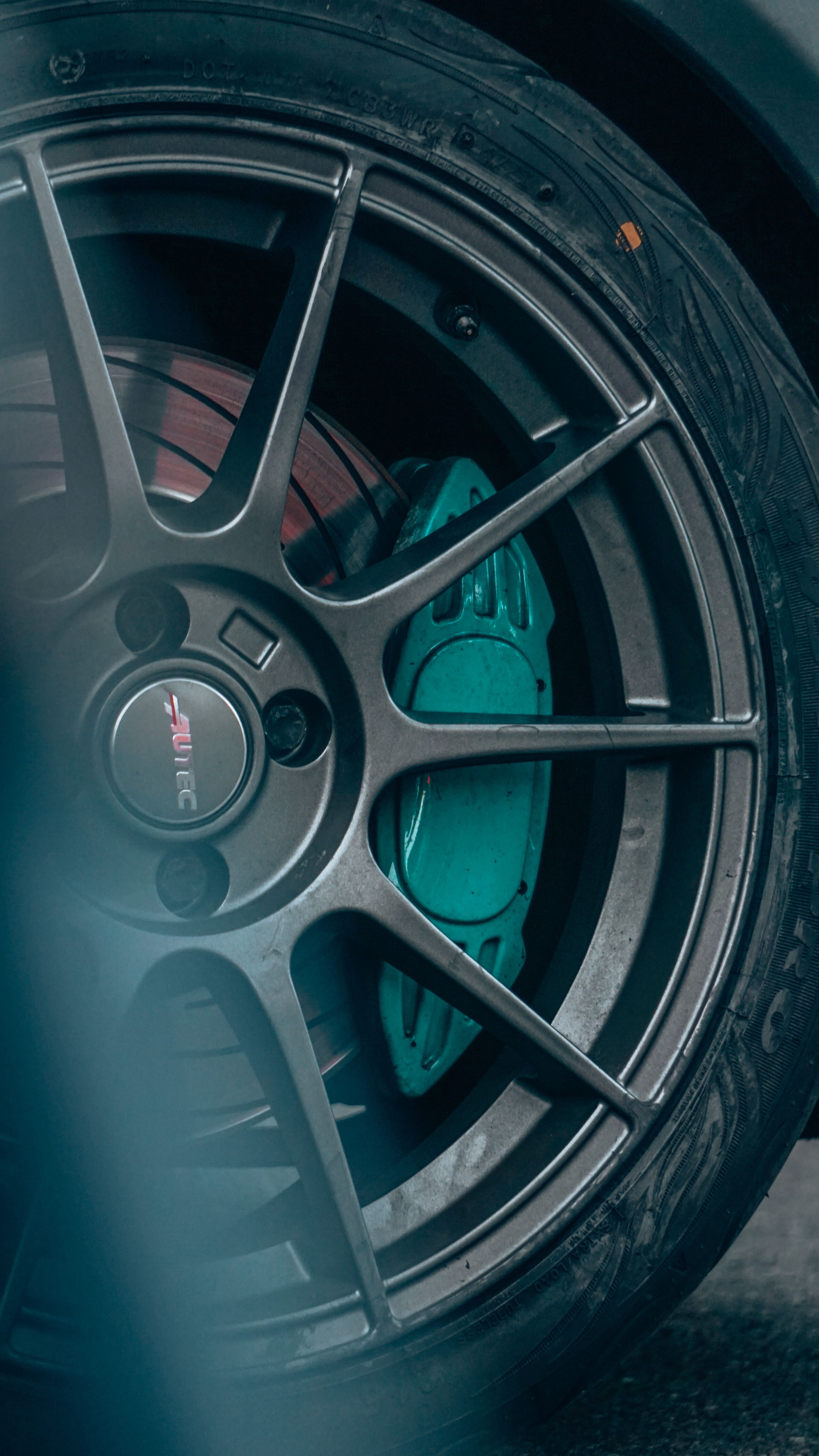
Brake-related shaking can come from several components, including the brake rotors, pads, calipers, tires, wheels, or suspension system. The exact cause often depends on when and how the vibration occurs.
1. Warped or Uneven Brake Rotors
One of the most common causes of shaking while braking is a brake rotor with an uneven friction surface.
Brake rotors are exposed to significant heat during normal driving. Repeated hard braking or excessive heat can contribute to uneven rotor surfaces.
You may notice:
- Steering wheel vibration
- Brake pedal pulsation
- Shaking that becomes stronger at higher speeds
- Vibration primarily when braking
A professional brake inspection can determine whether the rotors need to be resurfaced or replaced.
2. Worn Brake Pads
Brake pads gradually wear down as you drive. When they become excessively worn, they may no longer make consistent contact with the brake rotor.
Worn brake pads can cause:
- Squealing or grinding noises
- Reduced braking performance
- Vibration
- Longer stopping distances
Replacing brake pads before they become completely worn can help protect the rotors and other braking components.
3. Sticking or Failing Brake Caliper
A brake caliper applies pressure to the brake pads. If a caliper sticks, one brake may remain partially engaged even when you're not pressing the pedal.
This can cause:
- Vehicle pulling to one side
- Excessive heat near one wheel
- Burning smells
- Uneven brake pad wear
- Steering wheel vibration
A sticking caliper should be inspected promptly because it can cause additional brake damage.
4. Tire or Wheel Problems
Not every vibration during braking is caused by the brakes themselves.
A damaged tire, unbalanced wheel, or bent wheel can also cause shaking that becomes more noticeable when you slow down.
Common signs include:
- Vibration at certain speeds
- Uneven tire wear
- Steering wheel shaking
- Vehicle pulling to one side
A technician can inspect both the braking and wheel systems to determine the source.
5. Suspension Components
Worn suspension or steering components can make brake vibrations more noticeable.
Potential causes include:
- Worn control arm bushings
- Loose tie rods
- Damaged ball joints
- Worn shocks or struts
Because the braking and suspension systems work together, both should be inspected when diagnosing persistent vibration.
Is It Safe to Drive If Your Car Shakes When Braking?
It's best not to ignore brake vibration.
A mild vibration may not mean your brakes are about to fail, but it can indicate a problem that could worsen over time. Continuing to drive with worn or damaged brake components may increase stopping distances and cause additional damage.
If the shaking is severe, your vehicle pulls strongly to one side, you hear grinding, or the brake pedal feels abnormal, have the vehicle inspected as soon as possible.
When Should You Have Your Brakes Inspected?
Schedule a professional brake inspection if you notice:
- Shaking when braking
- Brake pedal pulsation
- Grinding or squealing
- A burning smell near the wheels
- Reduced braking performance
- Your vehicle pulling to one side
- A brake warning light
Don't wait until the brakes stop working properly before getting them checked.
How a Professional Brake Inspection Helps
A qualified technician can inspect the complete braking system, including:
- Brake pads
- Brake rotors
- Brake calipers
- Brake lines
- Brake fluid
- Wheel and tire condition
- Suspension and steering components
This helps identify the actual source of the vibration instead of simply replacing parts that may still be in good condition.
How to Prevent Brake Problems
Regular maintenance can help extend the life of your braking system.
You can help prevent premature brake wear by:
- Following your vehicle's recommended maintenance schedule
- Avoiding unnecessary hard braking
- Having brakes inspected regularly
- Replacing worn brake pads promptly
- Checking tires and wheel alignment
- Addressing unusual noises or vibrations early
Final Thoughts
If your car shakes when you brake, it's a warning sign worth investigating. Warped rotors, worn brake pads, sticking calipers, tire problems, and suspension issues can all contribute to brake vibration.
Getting the problem diagnosed early can improve braking performance, protect other components, and potentially prevent a more expensive repair.
If your vehicle shakes or vibrates when braking, schedule a professional brake inspection with our trusted auto repair shop to identify the problem and keep your vehicle safe.