September 1, 2026
Signs Your Alternator Is Failing
Signs Your Alternator Is Failing: Warning Signs You Shouldn’t Ignore
Your car’s alternator plays a critical role in keeping your vehicle’s electrical system running and your battery charged. When the alternator begins to fail, your car may continue running for a short time—but eventually, the battery can lose power and the vehicle may stop altogether.
Knowing the warning signs of a failing alternator can help you address the problem before you end up with an unexpected breakdown.
What Does an Alternator Do?
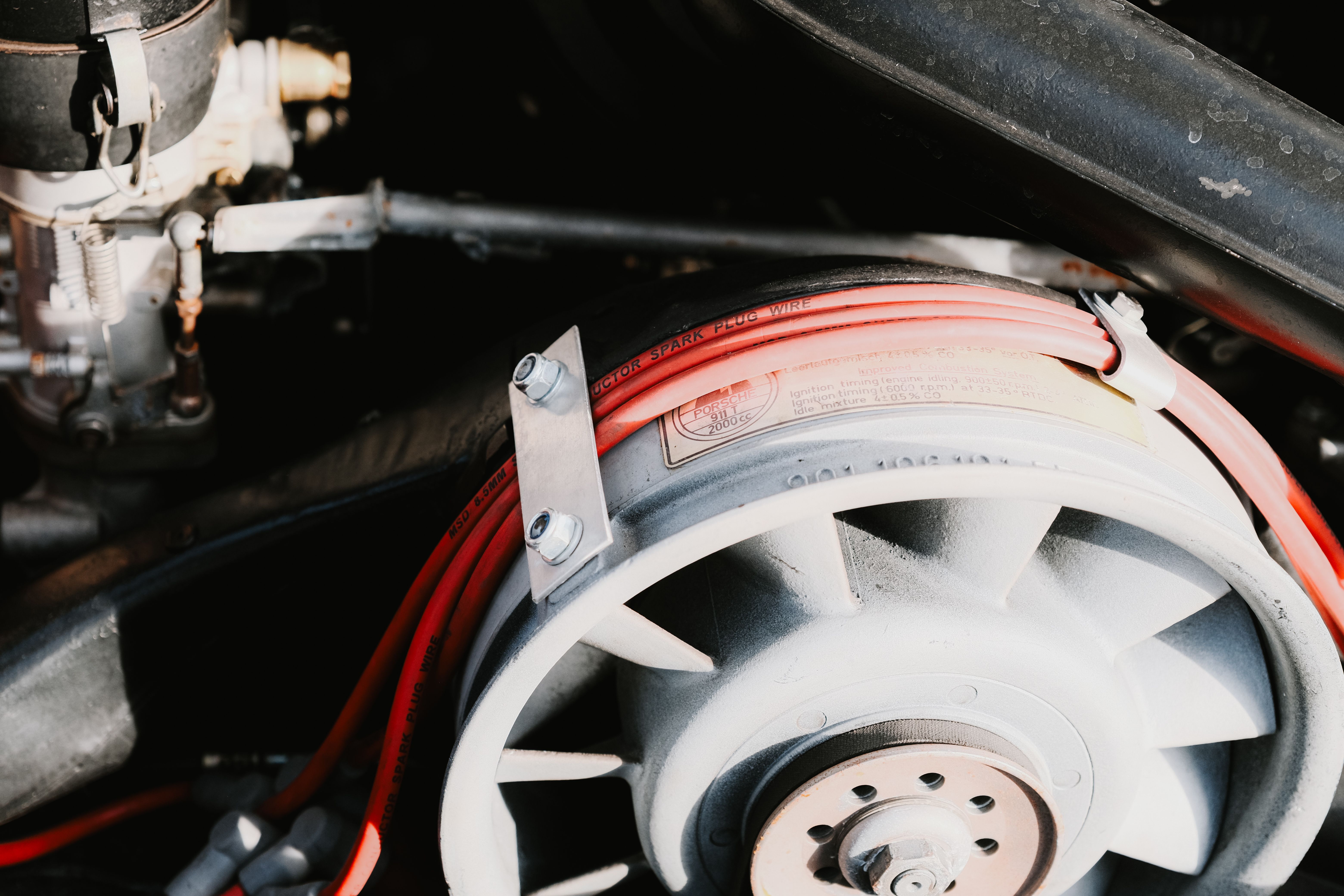
The alternator is responsible for generating electricity while your engine is running. It powers electrical components such as your headlights, dashboard, radio, climate control system, and other electronics while also recharging the battery.
When the alternator isn't working properly, your vehicle may struggle to maintain enough electrical power.
7 Signs Your Alternator May Be Failing
1. Your Battery Keeps Dying
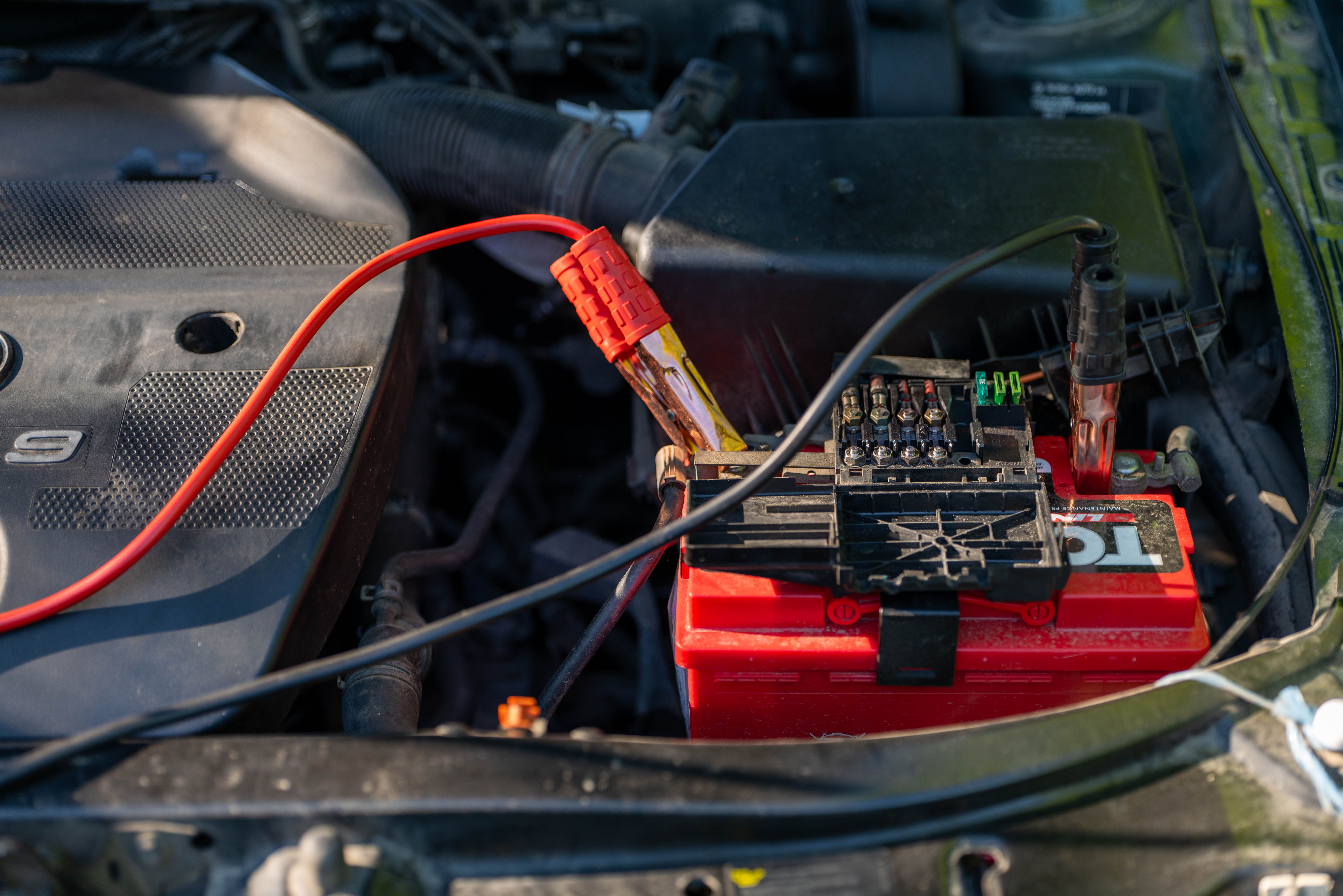
A battery that repeatedly goes dead doesn't always mean the battery itself is bad. A failing alternator may not be charging the battery properly while you drive.
If you've recently replaced your battery but continue experiencing dead-battery problems, it's worth having the charging system inspected.
2. Dimming or Flickering Headlights
Headlights that become noticeably dimmer or flicker while driving can be a sign of inconsistent electrical power.
You may also notice interior lights or dashboard lighting becoming unusually dim, especially when using multiple electrical accessories at the same time.
3. Electrical Accessories Work Slowly
A failing alternator can affect the performance of your vehicle's electrical components.
You might notice:
- Power windows moving more slowly than usual
- The radio turning off unexpectedly
- Dashboard electronics behaving strangely
- Climate control components operating inconsistently
- Other electrical accessories losing power
These symptoms can indicate that your vehicle isn't receiving a consistent electrical supply.
4. The Battery Warning Light Comes On
If your battery-shaped warning light appears on the dashboard, don't automatically assume you simply need a new battery.
This warning light can indicate a problem with the vehicle's charging system, including the alternator, wiring, voltage regulator, or battery.
If the light stays on while you're driving, have the vehicle inspected as soon as possible.
5. You Hear a Whining or Grinding Noise
Alternators contain bearings and other moving components that can wear out over time. A failing alternator may produce unusual noises such as whining, grinding, or squealing.
A damaged pulley or belt can also create similar sounds, which is why professional diagnosis is important.
6. Your Engine Stalls
If the alternator stops providing enough electrical power, the battery can eventually become completely discharged.
Once the available electrical power is depleted, the engine may stall. In some cases, you may also have difficulty restarting the vehicle.
A vehicle that stalls unexpectedly should be inspected promptly to determine whether the alternator, battery, fuel system, ignition system, or another component is responsible.
7. You Smell Burning Rubber or Electrical Odors
A slipping or failing alternator belt can create excessive friction and produce a burning-rubber smell. An overloaded or damaged alternator can also produce an unusual electrical odor.
If you notice a burning smell along with electrical problems, it's best to stop driving and have the vehicle inspected.
Is It Safe to Drive With a Bad Alternator?
Driving with an alternator that is beginning to fail can be risky. Your vehicle may continue operating temporarily, but the battery will eventually lose its charge if the alternator cannot replenish it.
Once the battery becomes too weak, the engine can stall and your vehicle's electrical systems may stop functioning properly.
If you suspect an alternator problem, getting the vehicle inspected early can help prevent being stranded on the road.
Alternator vs. Battery: What's the Difference?
The battery and alternator work together, but they have different jobs.
The battery provides the electrical power needed to start the engine and supplies electricity when the engine isn't running.
The alternator generates electrical power while the engine is running and recharges the battery.
Because their symptoms can overlap, replacing the battery without testing the charging system may not solve the problem.
How Mechanics Diagnose Alternator Problems
A professional technician can inspect the vehicle's charging system and determine whether the alternator is producing the correct amount of electrical power.
A typical inspection may include:
- Testing battery voltage
- Testing alternator output
- Inspecting the serpentine belt
- Checking the alternator pulley
- Inspecting electrical connections and wiring
- Checking for warning lights or diagnostic trouble codes
- Testing the battery's condition
Proper diagnosis helps identify whether the problem is the alternator, battery, belt, wiring, or another part of the electrical system.
How to Prevent Alternator Problems
Alternators can wear out naturally over time, but regular maintenance can help identify potential problems before they cause a breakdown.
Consider having your charging system inspected if:
- Your battery repeatedly goes dead
- Your headlights are flickering
- Electrical accessories behave unusually
- You hear noises from the engine bay
- Your battery warning light comes on
- Your vehicle has difficulty starting
It's also important to address worn serpentine belts and other related components before they fail.
When Should You Schedule an Alternator Inspection?
Don't wait until your vehicle won't start.
If you're experiencing dim headlights, electrical problems, repeated dead batteries, unusual noises, or a battery warning light, schedule a professional inspection. Identifying a failing alternator early can help prevent a much more inconvenient breakdown.
Need Alternator or Electrical System Repair in Sammamish, WA?
A failing alternator can quickly turn into a no-start or roadside breakdown. If your vehicle is showing signs of charging system problems, professional diagnosis can determine the cause and help you get back on the road safely.
If you're looking for auto repair in Sammamish, WA, have your vehicle's battery and charging system inspected before a small electrical problem becomes a major inconvenience.