October 1, 2026
Why Does Your Car Keep Losing Battery Power?
Why Does My Car Keep Losing Battery Power? Common Causes and Solutions
A dead car battery is frustrating, especially when it keeps happening after you've already replaced the battery or had it charged. While a weak battery can certainly cause starting problems, it isn't always the real reason your vehicle keeps losing power.
Problems with the charging system, electrical components, battery connections, or even driving habits can cause a battery to repeatedly lose its charge.
Understanding the most common causes can help you find the problem before you're left stranded.
Why Does a Car Battery Keep Losing Power?
A healthy battery should maintain enough charge to start your vehicle reliably. If your battery repeatedly becomes weak or completely dead, something may be preventing it from holding a charge or properly receiving power.
Common causes include:
- A weak or failing battery
- A charging system problem
- Parasitic electrical drain
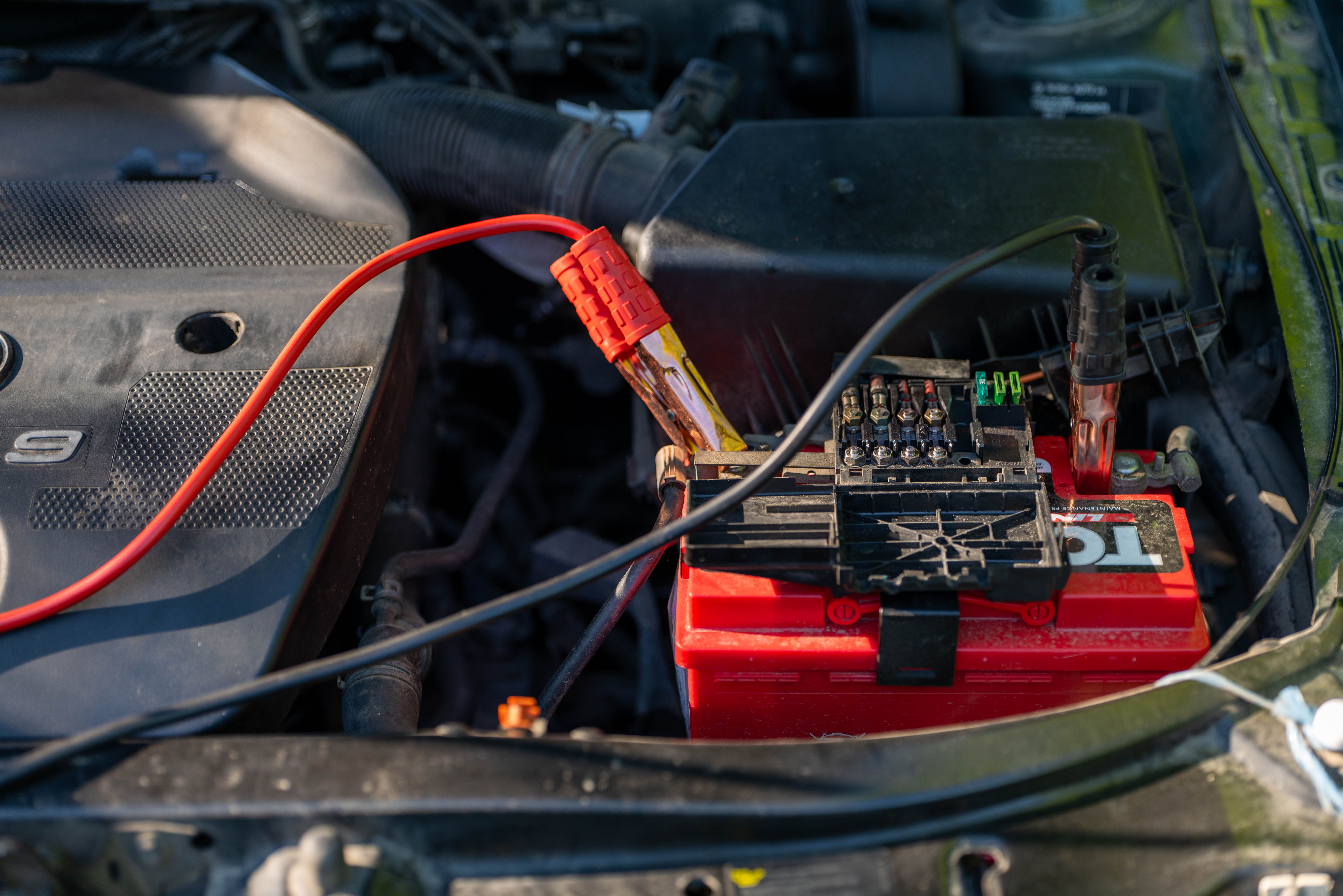
- Loose or corroded battery connections
- Leaving electrical accessories on
- Short trips and infrequent driving
- Extreme temperatures
- Problems with the vehicle's electrical system
Finding the actual cause is important because simply replacing the battery may not solve the problem.
1. The Battery Is Old or Failing
Car batteries don't last forever. Over time, their ability to hold a charge decreases.
Depending on the battery, vehicle, climate, and driving conditions, a battery may eventually become too weak to reliably start the engine.
Signs of a failing battery can include:
- Slow engine cranking
- Clicking when trying to start the car
- Dim headlights
- Electrical accessories losing power
- Needing frequent jump-starts
- Battery warning signs appearing on the dashboard
If the battery is several years old and repeatedly losing power, a battery test can determine whether it is still capable of holding a charge.
2. The Alternator Isn't Charging the Battery Properly
The alternator recharges the battery while the engine is running and supplies electrical power to the vehicle's systems.
If the alternator isn't producing enough power, the battery can gradually become discharged.
Possible signs of a charging system problem include:
- A battery warning light
- Dimming or flickering lights
- Electrical accessories behaving strangely
- Repeated dead batteries
- Difficulty starting the vehicle
- Unusual noises from the engine compartment
If you've recently installed a new battery but it keeps going dead, the charging system should be tested before replacing the battery again.
3. Something Is Draining the Battery While the Car Is Parked
A parasitic drain occurs when an electrical component continues consuming power after the vehicle is turned off.
Some electrical systems normally remain active for a short period after the engine is shut off. However, a malfunctioning component can continue drawing excessive power and eventually drain the battery.
Potential sources can include:
- Interior lights
- Trunk or glovebox lights
- Aftermarket electronics
- Faulty switches
- Infotainment systems
- Alarm systems
- Modules that fail to enter sleep mode
Diagnosing a parasitic drain can require specialized testing because the source isn't always obvious.
4. Battery Terminals Are Loose or Corroded
The battery may be perfectly healthy, but poor electrical connections can prevent the vehicle from starting or charging properly.
Corrosion around the battery terminals can interfere with the flow of electrical current. Loose connections can cause similar problems.
During a battery inspection, technicians can check the terminals, cables, and connections for corrosion, looseness, or damage.
5. You Mostly Drive Short Distances
Frequent short trips can contribute to battery problems.
Starting the engine requires a significant amount of electrical power. If you only drive for a few minutes afterward, the alternator may not have enough time to fully replenish the energy used during startup.
This can gradually reduce the battery's state of charge, particularly if the vehicle sits unused for long periods between trips.
6. Extreme Temperatures Are Affecting the Battery
Very hot and very cold weather can put additional stress on a car battery.
High temperatures can accelerate battery deterioration, while cold temperatures can make it harder for a weakened battery to provide the power needed to start the engine.
If your battery is already near the end of its service life, temperature extremes can make an existing problem much more noticeable.
7. The Vehicle Has an Electrical Problem
Sometimes repeated battery drain is caused by a broader electrical issue.
Damaged wiring, a malfunctioning control module, aftermarket accessories, or other electrical components can cause abnormal power consumption.
If basic battery and charging-system tests don't identify the problem, a professional electrical diagnosis may be necessary.
How Can You Tell If It's the Battery or Something Else?
A dead battery doesn't necessarily mean the battery needs to be replaced.
A technician may test several parts of the system, including:
- Battery condition
- Battery voltage
- Charging system output
- Battery terminals and cables
- Alternator operation
- Electrical current draw
- Related wiring and components
Testing the complete system helps identify the actual cause rather than treating only the symptom.
Is It Safe to Keep Driving With a Battery Problem?
It depends on what's causing the problem.
If the battery is simply nearing the end of its service life, the main concern may be being unable to start the vehicle.
However, if the alternator or charging system is failing, continuing to drive can eventually cause the vehicle to lose electrical power and potentially stall.
If the battery warning light comes on while driving or your vehicle is experiencing repeated electrical problems, it's best to have it inspected promptly.
What Should You Do If Your Battery Keeps Dying?
If you've needed multiple jump-starts recently, don't simply continue charging or replacing the battery without determining why it is losing power.
A professional inspection can help determine whether the problem is:
- The battery itself
- The alternator
- A parasitic electrical drain
- Battery connections
- A wiring problem
- Another electrical component
Identifying the root cause can save you from repeatedly replacing parts that aren't actually responsible for the problem.
How to Prevent Battery Problems
Regular maintenance can help reduce the chance of unexpected battery problems.
Consider having your battery and charging system inspected if:
- Your engine cranks slowly
- Your lights are dimming
- Your battery repeatedly goes dead
- Your vehicle requires frequent jump-starts
- You notice corrosion around the terminals
- Your battery is several years old
- Your vehicle sits unused for extended periods
It's also a good idea to make sure lights and other accessories are turned off before leaving your vehicle.
When Should You Schedule a Battery Inspection?
If your car battery has gone dead more than once without an obvious reason, it's worth having the entire starting and charging system checked.
A professional diagnosis can determine whether you need a new battery or whether another problem is causing the battery to lose power.
Addressing the problem early can help prevent an unexpected no-start situation.
Need Battery or Electrical System Service in Sammamish, WA?
A repeatedly dead battery is often a symptom rather than the actual problem. Proper testing can identify what's draining your battery and help prevent the issue from happening again.
If you're looking for auto repair in Sammamish, WA, a professional battery and charging-system inspection can help keep your vehicle starting reliably and reduce the risk of an unexpected breakdown