November 3, 2026
How Often Should You Change Your Brake Fluid?
How Often Should You Change Your Brake Fluid? Signs, Benefits & Why It Matters
Your vehicle's braking system depends on more than just brake pads and rotors. Brake fluid plays an essential role in helping your brakes work properly. Without clean, properly functioning brake fluid, your vehicle may not respond as reliably when you press the brake pedal.
Over time, brake fluid absorbs moisture and can become contaminated, reducing its effectiveness and potentially affecting braking performance.
Understanding when to change your brake fluid can help protect your braking system, maintain reliable stopping power, and prevent expensive repairs.
What Does Brake Fluid Do?
Brake fluid is a hydraulic fluid that transfers the force from your brake pedal to the braking components at each wheel.
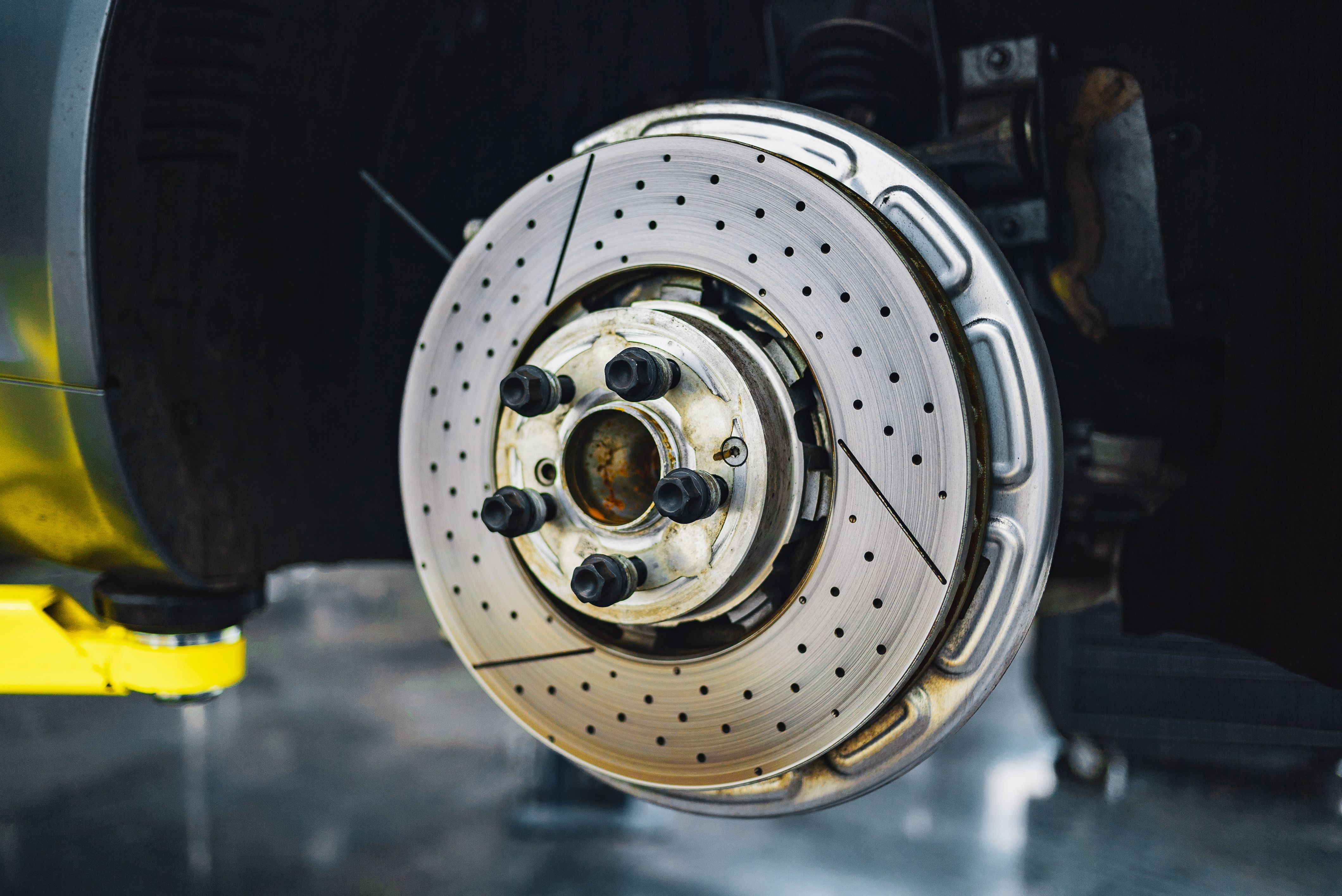
When you press the brake pedal, pressure travels through the brake lines and activates components such as the brake calipers or wheel cylinders. This allows your vehicle to slow down or stop.
Because brake fluid is essential to this process, maintaining the correct fluid condition is important for safe and consistent braking.
How Often Should Brake Fluid Be Changed?
Brake fluid replacement intervals vary depending on your vehicle's manufacturer, braking system, driving conditions, and the type of fluid used.
Many manufacturers recommend replacing brake fluid approximately every two to three years, while others specify a different interval based on mileage or time.
The best approach is to follow your vehicle manufacturer's maintenance schedule and have the fluid condition inspected periodically.
Even if you don't drive frequently, brake fluid can still absorb moisture over time.
6 Signs Your Brake Fluid May Need to Be Changed
Brake fluid doesn't always provide obvious warning signs when it begins to deteriorate. However, certain symptoms may indicate that your braking system needs attention.
1. Your Brake Pedal Feels Soft or Spongy
A brake pedal that feels unusually soft or spongy can indicate air in the brake lines, moisture-related problems, or another hydraulic system issue.
You may notice that the pedal travels farther than usual or doesn't provide the firm resistance you're accustomed to.
This symptom should never be ignored. A professional inspection is necessary to determine the cause.
2. Your Brake Warning Light Comes On
If the brake warning light appears on your dashboard, it may indicate a problem with the braking system.
Possible causes include:
- Low brake fluid
- A hydraulic system leak
- A problem with the parking brake
- A malfunctioning brake system component
Low brake fluid can sometimes indicate worn brake pads, but it can also signal a leak.
If the warning light stays on after releasing the parking brake, have your vehicle inspected promptly.
3. Your Brakes Don't Feel as Responsive
If your vehicle doesn't seem to slow down as smoothly or consistently as before, there may be a problem with the braking system.
Old or contaminated brake fluid can contribute to reduced braking performance, particularly under demanding driving conditions.
However, worn brake pads, damaged rotors, leaking components, and other issues can produce similar symptoms.
4. Your Brake Fluid Looks Dark or Dirty
Fresh brake fluid is typically clear to light amber, depending on its type.
As it ages and becomes contaminated, its appearance may change. Dark or dirty-looking fluid can be a reason to have the braking system inspected.
However, appearance alone cannot reliably determine whether brake fluid needs replacement. Professional testing may be necessary to evaluate its condition.
5. You Notice a Brake Fluid Leak
Brake fluid leaks can occur around brake lines, hoses, calipers, the master cylinder, or other hydraulic components.
Possible warning signs include:
- A low brake fluid level
- Wet spots around brake components
- Fluid beneath your vehicle
- A soft or sinking brake pedal
- A brake warning light
A leak is a serious braking system problem. Simply adding more fluid will not fix the underlying issue.
If you suspect a brake fluid leak or notice reduced braking performance, stop driving and arrange professional assistance.
6. It's Been Several Years Since Your Last Brake Fluid Service
Brake fluid absorbs moisture from the surrounding environment over time.
Even when your vehicle appears to be operating normally, moisture contamination can gradually affect the fluid's performance.
If you don't know when the brake fluid was last replaced, checking your maintenance records and having the fluid inspected is a good starting point.
Why Does Brake Fluid Absorb Moisture?
Most vehicles use glycol-based brake fluid, which is hygroscopic. This means it naturally absorbs moisture over time.
Moisture can enter the braking system through microscopic openings in hoses, seals, and other components.
As water content increases, the fluid's boiling point decreases.
This matters because braking generates heat. Under demanding conditions, contaminated brake fluid may boil more easily, creating vapor in the hydraulic system and potentially reducing braking effectiveness.
Regular brake fluid maintenance helps reduce this risk.
What Happens If You Never Change Your Brake Fluid?
Ignoring brake fluid maintenance can create several problems over time.
Potential consequences include:
- Reduced resistance to brake fluid boiling
- Increased risk of internal corrosion
- Damage to hydraulic braking components
- Reduced braking performance under demanding conditions
- More expensive brake system repairs
Moisture contamination can contribute to corrosion inside components such as brake calipers, wheel cylinders, and the master cylinder.
Replacing brake fluid according to manufacturer recommendations helps protect these components and maintain reliable braking performance.
What Is a Brake Fluid Flush?
A brake fluid flush involves removing old fluid from the braking system and replacing it with fresh fluid that meets the manufacturer's specifications.
The process generally involves:
- Inspecting the brake fluid and hydraulic system.
- Checking for leaks or damaged components.
- Removing old brake fluid from the system.
- Adding the correct replacement fluid.
- Bleeding the braking system as required.
- Checking the brake pedal and confirming proper operation.
The exact procedure depends on the vehicle's braking system.
It's important to use the correct brake fluid specification. Different vehicles may require DOT 3, DOT 4, DOT 5.1, or another manufacturer-approved fluid. These types are not universally interchangeable.
Brake Fluid Flush vs. Topping Off: What's the Difference?
Adding brake fluid and replacing old brake fluid are two different things.
Topping off brake fluid means adding fluid to restore the reservoir to the appropriate level. This does not remove moisture or contamination from the existing fluid.
A brake fluid flush replaces old fluid throughout the hydraulic system with fresh fluid.
If your brake fluid level is low, a technician should determine why before simply adding more. Low fluid may indicate worn brake pads or a hydraulic leak.
Can You Drive With Old Brake Fluid?
A vehicle may continue to operate with old brake fluid, but that doesn't mean it's safe to ignore the recommended maintenance interval.
As moisture accumulates, the fluid's boiling point can decrease and the risk of corrosion can increase.
If you experience a soft brake pedal, a brake warning light, fluid leakage, or reduced braking performance, don't continue driving as though everything is normal.
Have the braking system inspected as soon as possible. If braking performance is significantly reduced, arrange a tow rather than driving the vehicle.
How Much Does a Brake Fluid Flush Cost?
The cost of brake fluid replacement depends on several factors, including:
- Vehicle make and model
- Type of brake fluid required
- Complexity of the braking system
- Labor involved
- Whether additional repairs are necessary
Some vehicles have relatively straightforward brake fluid service procedures, while others require additional steps or specialized equipment.
A professional inspection can help determine what service your vehicle needs and provide an accurate estimate.
How to Maintain Your Vehicle's Brake System
Brake fluid maintenance is only one part of keeping your braking system in good condition.
To help maintain reliable braking performance:
- Follow your manufacturer's brake fluid replacement schedule.
- Have your brake pads and rotors inspected regularly.
- Check for brake fluid leaks.
- Address unusual brake pedal behavior promptly.
- Use only the manufacturer-approved brake fluid.
- Have warning lights and braking problems diagnosed quickly.
Routine inspections can help identify developing problems before they become more expensive or affect your vehicle's safety.
Need Brake Service in Sammamish, WA?
Your braking system is one of the most important safety systems in your vehicle. Keeping your brake fluid in good condition helps protect hydraulic components and maintain dependable stopping performance.
If it's been several years since your last brake fluid service, or you're noticing changes in how your brakes feel, consider scheduling a professional inspection.
If you're looking for reliable auto repair in Sammamish, WA, having your braking system inspected can help identify potential problems and keep your vehicle operating safely.