November 3, 2026
Why Is My Car Idling Rough?
Why Is My Car Idling Rough? Common Causes and How to Fix It
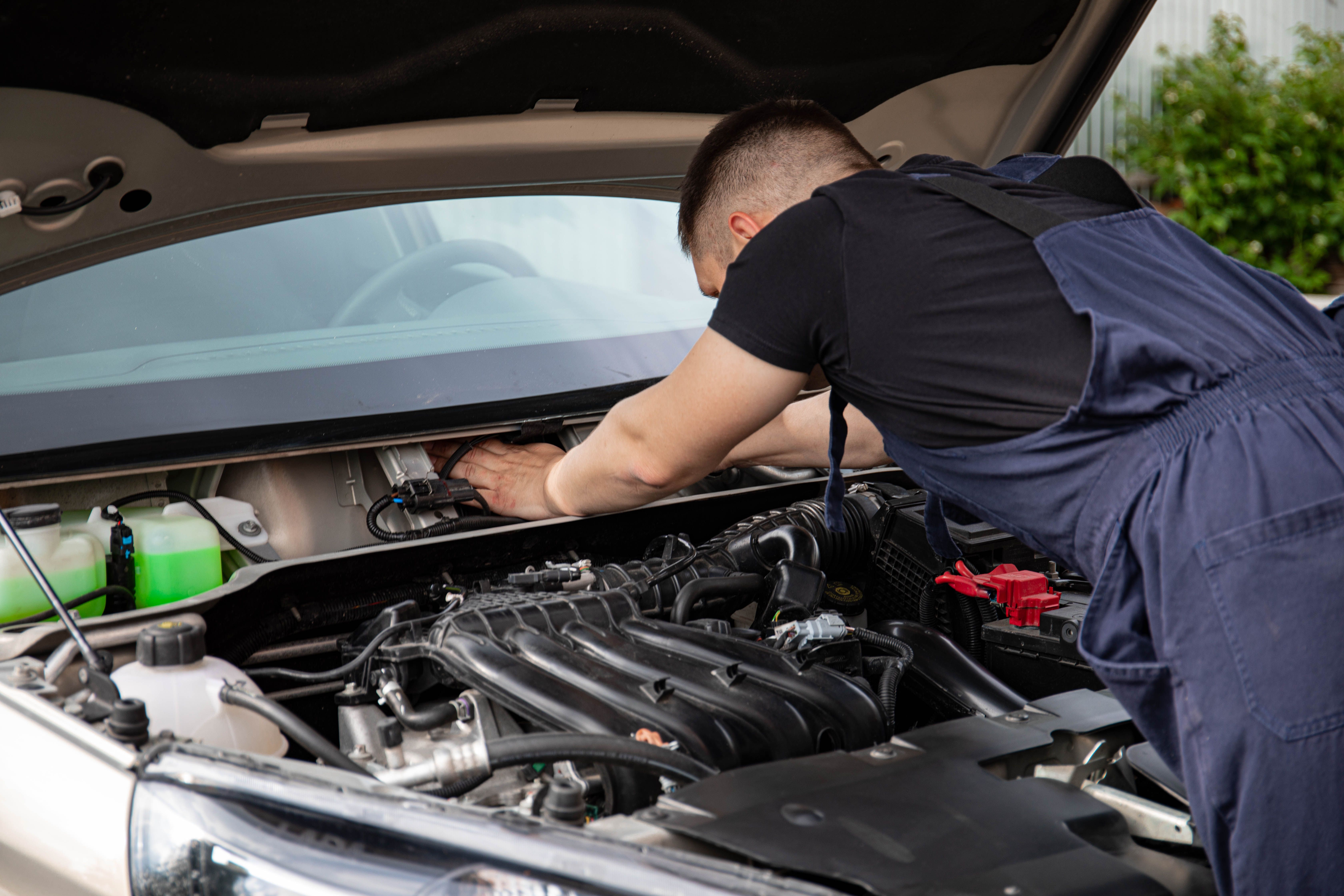
When your car is running properly, the engine should operate smoothly when you're stopped at a traffic light, parked, or waiting in a driveway. If you notice unusual vibrations, fluctuating RPMs, or inconsistent engine performance while the vehicle is stationary, you may be experiencing a rough idle.
A rough-running engine can be caused by several issues, ranging from dirty fuel injectors and vacuum leaks to worn spark plugs and malfunctioning sensors.
Although the problem may seem minor at first, ignoring it can lead to reduced fuel efficiency, poor engine performance, and potentially more expensive repairs.
Understanding what causes rough idling can help you recognize the warning signs and determine when your vehicle needs professional attention.
What Does It Mean When a Car Idles Rough?
Your engine idles when it's running without the accelerator being pressed. During this time, the engine control system regulates the air and fuel mixture to maintain a consistent engine speed.
Most modern vehicles should idle relatively smoothly, with RPMs remaining fairly steady.
A rough idle occurs when the engine struggles to maintain consistent operation. You may notice:
- Excessive engine vibration
- RPMs moving up and down
- Shaking while stopped
- Unusual engine noises
- A feeling that the engine might stall
- Reduced engine performance
These symptoms can indicate that something is interfering with the engine's combustion or air-fuel mixture.
8 Common Reasons Your Car Is Idling Rough
1. Dirty or Clogged Fuel Injectors
Fuel injectors deliver precise amounts of fuel into the engine's cylinders. Over time, deposits can accumulate inside the injectors and interfere with proper fuel delivery.
When an injector becomes clogged or doesn't operate correctly, the engine may receive an inconsistent amount of fuel.
This can cause:
- Rough idling
- Engine hesitation
- Reduced fuel economy
- Difficulty accelerating
- Engine misfires
A professional inspection can determine whether fuel injector cleaning or replacement is necessary.
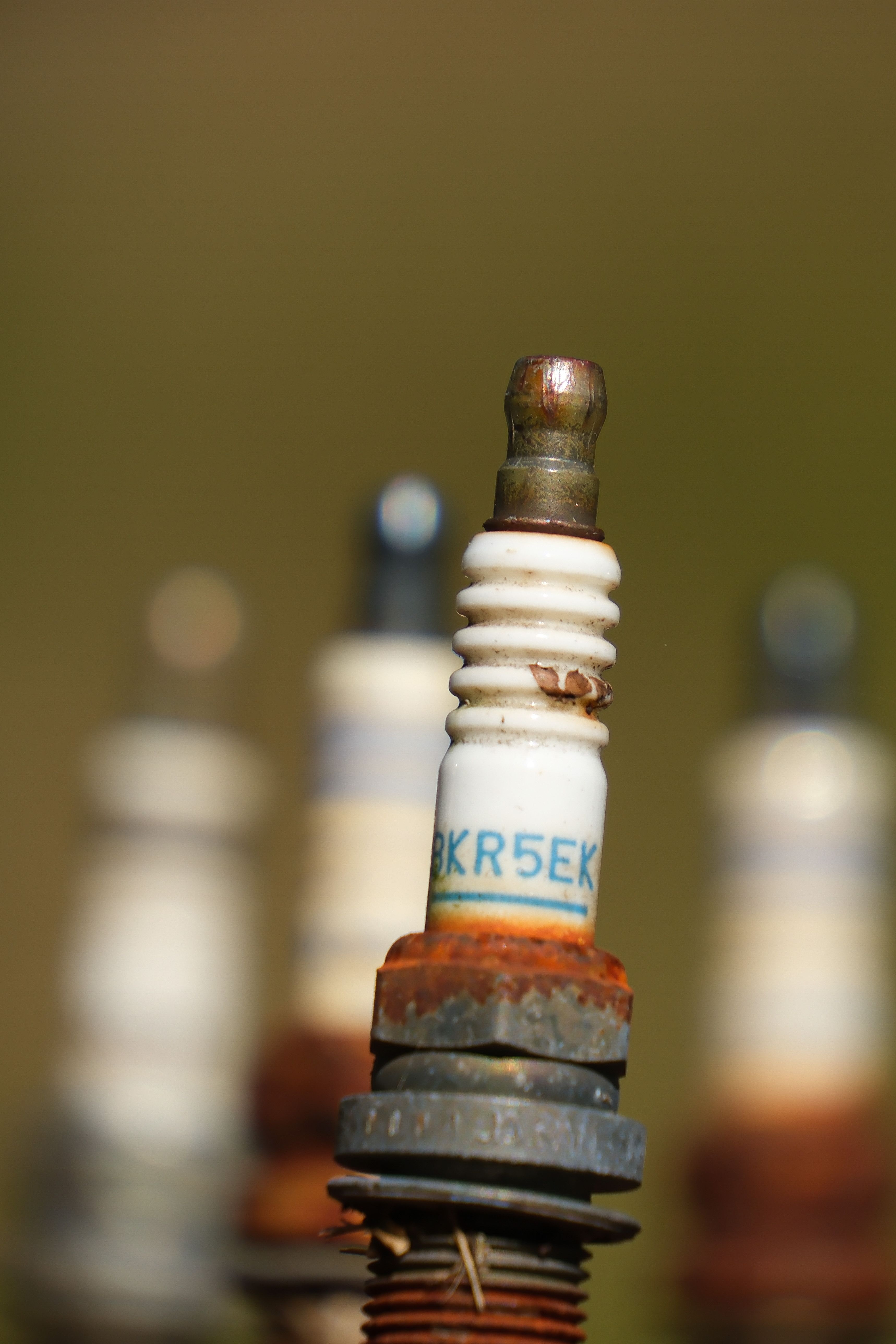
2. Worn or Faulty Spark Plugs
Spark plugs ignite the air-fuel mixture inside the engine's cylinders. When they become worn, damaged, or contaminated, combustion may become inconsistent.
This can cause the engine to shake or vibrate while idling.
Other possible symptoms include:
- Difficult engine starts
- Poor acceleration
- Increased fuel consumption
- Engine misfires
- Check engine light
If your vehicle has reached its recommended spark plug replacement interval, worn plugs may be contributing to the problem.
3. Vacuum Leaks
Your engine relies on a properly controlled air-fuel mixture to operate efficiently.
Vacuum leaks occur when unwanted air enters the engine through damaged hoses, intake manifold gaskets, or other components.
Because this additional air may not be properly accounted for by the engine management system, it can disrupt the air-fuel mixture.
Common symptoms include:
- Rough idling
- Fluctuating engine RPMs
- Hissing sounds under the hood
- Engine hesitation
- Check engine light
Vacuum leaks can sometimes be difficult to locate without specialized diagnostic equipment.
4. Dirty or Malfunctioning Mass Airflow Sensor
The mass airflow sensor measures the amount of air entering the engine. The engine computer uses this information to calculate how much fuel is needed for proper combustion.
If the sensor becomes contaminated or stops working correctly, it may provide inaccurate readings.
This can cause the engine to run too rich or too lean, resulting in rough idling and reduced performance.
Depending on the vehicle, cleaning, testing, or replacing the sensor may be necessary.
5. Dirty Throttle Body
The throttle body controls how much air enters the engine.
Over time, carbon deposits and other contaminants can accumulate around the throttle plate and interfere with airflow.
A dirty throttle body can contribute to:
- Unstable idle speed
- Engine hesitation
- Stalling
- Poor throttle response
- Difficulty maintaining a consistent idle
Professional throttle body cleaning may help restore proper airflow, depending on the condition of the component.
6. Faulty Idle Air Control Valve
Some vehicles use an idle air control valve to regulate airflow when the accelerator isn't being pressed.
If this component becomes dirty or fails, the engine may struggle to maintain a stable idle.
You might notice RPMs fluctuating, the engine stalling at stoplights, or unusually high or low idle speeds.
Not every modern vehicle uses a separate idle air control valve. Many newer models manage idle speed electronically through the throttle body.
7. Engine Sensor Problems
Modern vehicles rely on multiple sensors to monitor engine operation and adjust performance.
If one of these sensors provides inaccurate information, the engine computer may struggle to maintain the correct air-fuel mixture or ignition timing.
Sensors that can contribute to rough idling include:
- Oxygen sensors
- Engine coolant temperature sensors
- Mass airflow sensors
- Manifold absolute pressure sensors
- Crankshaft position sensors
A diagnostic scan can help identify sensor-related trouble codes and guide further testing.
8. Engine Mount Problems
Engine mounts secure the engine to the vehicle's frame while helping absorb normal engine vibrations.
When mounts become worn or damaged, more vibration can transfer into the cabin.
You may notice excessive shaking while stopped, even if the engine itself is operating normally.
Unlike combustion-related problems, faulty engine mounts generally don't cause unstable engine RPMs. A physical inspection can help determine whether the mounts are responsible for the vibration.
Why Does My Car Idle Rough Only When the AC Is On?
If your vehicle runs smoothly until you turn on the air conditioning, the additional load placed on the engine may be exposing an underlying problem.
The air conditioning compressor requires additional power to operate. Your vehicle's engine management system is designed to compensate for this increased load.
If the engine is already experiencing an issue, such as a dirty throttle body, weak ignition components, or an airflow problem, you may notice more pronounced vibrations when the AC is running.
A professional inspection can determine whether the issue is related to the engine, air conditioning compressor, or another component.
Can Rough Idling Damage Your Engine?
It depends on what's causing the problem.
A dirty throttle body or worn engine mount may not immediately cause serious engine damage. However, problems involving misfires, incorrect fuel delivery, or ignition system failures can become more serious if left untreated.
Persistent engine misfires, for example, can allow unburned fuel to enter the exhaust system and potentially damage the catalytic converter.
Addressing rough idling early can help prevent additional wear and unnecessary repair expenses.
How Do Mechanics Diagnose a Rough Idle?
Because several different problems can produce similar symptoms, replacing parts without proper testing isn't always effective.
A professional engine diagnostic inspection may include:
- Diagnostic trouble code scan: Checking the engine computer for stored fault codes.
- Live data analysis: Reviewing sensor readings and engine operating conditions.
- Ignition system inspection: Checking spark plugs, ignition coils, and related components.
- Air intake inspection: Looking for vacuum leaks, damaged hoses, and airflow restrictions.
- Fuel system testing: Evaluating fuel pressure and injector performance when needed.
- Mechanical inspection: Checking engine mounts and other components that may contribute to vibration.
The exact diagnostic process depends on the vehicle and the symptoms.
What Can You Do to Prevent Rough Idling?
You can't prevent every mechanical problem, but regular maintenance can help reduce the likelihood of engine performance issues.
Follow your vehicle manufacturer's recommended maintenance schedule and address warning signs before they become more serious.
Helpful maintenance practices include:
- Replacing spark plugs at the recommended interval.
- Keeping the air intake system properly maintained.
- Addressing check engine lights promptly.
- Using the recommended fuel for your vehicle.
- Replacing engine air filters when necessary.
- Having unusual engine vibrations inspected.
- Addressing fluid leaks and damaged hoses.
Regular maintenance helps keep your engine operating efficiently and can make it easier to identify developing problems.
When Should You Have a Rough-Running Engine Inspected?
If your car consistently shakes while idling, experiences fluctuating RPMs, or occasionally stalls, it's a good idea to schedule a professional diagnostic inspection.
You should seek attention promptly if rough idling is accompanied by a flashing check engine light, significant loss of power, or repeated stalling. A flashing check engine light can indicate an active misfire that may damage the catalytic converter.
Don't assume the problem will resolve itself. Identifying the underlying cause early can help prevent additional damage and costly repairs.
Need Engine Diagnostics or Auto Repair in Sammamish, WA?
A rough idle can be caused by anything from worn spark plugs to more complicated fuel delivery or engine management problems. Proper diagnosis is the best way to identify the issue and determine the right repair.
If your vehicle isn't running as smoothly as it should, schedule an inspection with a professional auto repair shop.
If you're looking for reliable auto repair in Sammamish, WA, getting engine performance problems checked early can help keep your vehicle running smoothly and reliably.