October 1, 2026
When Should You Replace Spark Plugs?
When Should You Replace Spark Plugs? Signs, Mileage & What Happens If You Wait
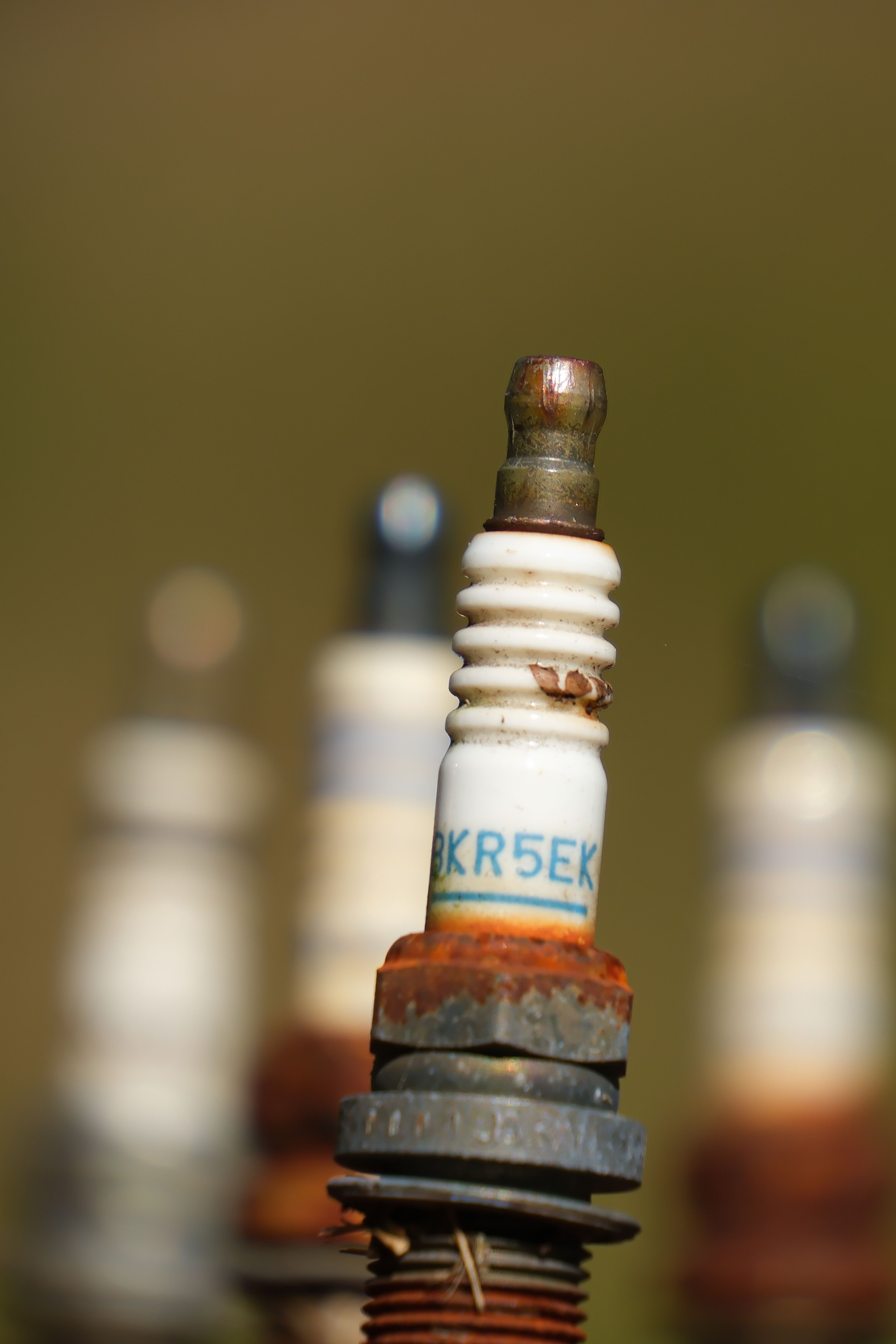
Spark plugs are small components, but they play a major role in how your engine starts, runs, and performs. Over time, spark plugs wear out and can cause problems ranging from rough idling and poor fuel economy to engine misfires and difficulty starting.
Knowing when to replace your spark plugs can help maintain engine performance and prevent more expensive repairs.
What Do Spark Plugs Do?
Spark plugs deliver an electrical spark inside the engine's combustion chamber. This spark ignites the air-fuel mixture, creating the combustion needed to produce power.
When spark plugs are worn, damaged, or contaminated, the engine may not burn the air-fuel mixture properly. This can lead to reduced performance, rough running, and other drivability problems.
How Often Should Spark Plugs Be Replaced?
There isn't one replacement interval that applies to every vehicle. Spark plug life depends on the vehicle, engine design, spark plug material, driving conditions, and manufacturer recommendations.
Depending on the vehicle and type of spark plug, replacement intervals can range from roughly 30,000 to 100,000 miles or more.
The best way to determine the correct interval is to check your vehicle manufacturer's maintenance schedule or have a professional inspect the spark plugs.
7 Signs Your Spark Plugs May Need Replacement
1. Your Engine Is Running Rough
A rough idle or noticeable vibration while the engine is running can be caused by worn or fouled spark plugs.
You may notice the engine shaking more than usual, particularly when stopped at a light or idling in a parking lot.
However, rough running can have many possible causes, so proper diagnosis is important.
2. Your Car Is Difficult to Start
Worn spark plugs can make it harder for the engine to ignite the air-fuel mixture.
If your vehicle takes longer than usual to start or requires multiple attempts before the engine turns over properly, the ignition system should be inspected.
3. Your Engine Misfires
An engine misfire occurs when combustion doesn't happen properly in one or more cylinders.
A worn spark plug can be one cause of a misfire. You may notice:
- Engine hesitation
- Jerking or shaking
- Loss of power
- Rough acceleration
- A flashing or illuminated check engine light
A flashing check engine light should be taken seriously because continued driving with an active misfire can potentially damage the catalytic converter.
4. Your Fuel Economy Gets Worse
Worn spark plugs can prevent the engine from efficiently burning the air-fuel mixture.
If your vehicle suddenly starts using more fuel than normal, several issues could be responsible, including spark plugs, ignition components, fuel delivery problems, tire pressure, or other mechanical issues.
A professional inspection can help identify the actual cause.
5. Your Car Feels Sluggish
If your vehicle doesn't accelerate as smoothly or quickly as it normally does, worn spark plugs may be contributing to the problem.
Poor acceleration can also be caused by problems with the fuel system, air intake, transmission, ignition system, or other engine components.
6. The Check Engine Light Comes On
A worn or failing spark plug can contribute to an engine misfire that triggers the check engine light.
Diagnostic trouble codes can help technicians determine which cylinder or system may be experiencing a problem.
Don't assume the check engine light automatically means you need new spark plugs. Proper diagnosis should come first.
7. You Notice Engine Hesitation
Hesitation during acceleration can occur when the engine doesn't receive consistent ignition.
If the vehicle hesitates when accelerating from a stop or while passing another vehicle, it's worth having the engine and ignition system inspected.
What Happens If You Don't Replace Worn Spark Plugs?
Continuing to drive with worn spark plugs can affect engine performance and fuel economy.
Depending on the underlying problem, prolonged driving can also contribute to:
- Engine misfires
- Poor acceleration
- Increased fuel consumption
- Difficulty starting
- Rough engine operation
- Increased stress on ignition components
- Potential catalytic converter damage from persistent misfires
Replacing spark plugs at the recommended interval can help maintain reliable engine performance.
Can You Replace Just One Spark Plug?
In most situations, spark plugs are replaced as a complete set rather than replacing only one.
Spark plugs installed at the same time generally experience similar operating conditions and wear. Replacing the complete set can help provide consistent ignition across the engine.
However, the appropriate repair depends on the vehicle and the condition of the individual components.
What Is the Difference Between Iridium, Platinum, and Copper Spark Plugs?
Different vehicles use different types of spark plugs.
Copper spark plugs generally have a shorter service life but can be appropriate for certain older or specific applications.
Platinum spark plugs typically last longer than traditional copper plugs.
Iridium spark plugs are commonly designed for long service intervals and are used in many modern vehicles.
The correct spark plug isn't necessarily the most expensive option. It's important to use the type and specification recommended for your particular vehicle.
Should You Replace Spark Plug Wires or Ignition Coils Too?
Not necessarily.
Modern vehicles often use individual ignition coils instead of traditional spark plug wires. Ignition coils and wires can also wear or fail, but they don't automatically need replacement whenever spark plugs are changed.
A technician can inspect the ignition system and determine whether additional components need attention.
How Much Does Spark Plug Replacement Cost?
The cost of spark plug replacement varies depending on the vehicle, engine design, spark plug type, and accessibility.
Some engines allow relatively easy access to the spark plugs, while others require significantly more labor to reach them.
The best way to determine the cost for your vehicle is to have a repair shop inspect the vehicle and provide an estimate based on the manufacturer's recommended parts and procedures.
How to Extend the Life of Your Spark Plugs
You can't prevent spark plugs from eventually wearing out, but proper vehicle maintenance can help protect the entire ignition system.
Follow your manufacturer's recommended maintenance schedule and address engine problems promptly.
It's also important to investigate symptoms such as:
- Rough idling
- Engine misfires
- Poor acceleration
- Hard starting
- Reduced fuel economy
- Check engine light
Ignoring these symptoms can allow a relatively simple problem to become more expensive.
When Should You Have Your Spark Plugs Inspected?
If your vehicle has reached the manufacturer's recommended spark plug replacement interval, it's a good time to schedule service.
You should also have the ignition system inspected if your vehicle is experiencing misfires, rough running, poor acceleration, difficult starting, or declining fuel economy.
Regular maintenance can help keep your engine running smoothly and identify problems before they lead to a breakdown.
Need Spark Plug Replacement in Sammamish, WA?
Worn spark plugs can affect your vehicle's performance, fuel economy, and reliability. If you're experiencing engine hesitation, rough idling, misfires, or starting problems, a professional inspection can determine whether your spark plugs or another component is responsible.
If you're looking for auto repair in Sammamish, WA, scheduling routine maintenance and addressing engine symptoms early can help keep your vehicle running reliably.