December 2, 2025
Is Your Car Due for Maintenance?

Is Your Car Due for Maintenance? Why a Vehicle Inspection Can Save You Thousands
Many drivers wait until something breaks before visiting an auto repair shop. By that time, the problem is usually bigger, more stressful, and more expensive than it needed to be. Regular vehicle inspections are one of the easiest ways to avoid major repairs and keep your car safe and reliable.
In this post, we’ll explain what a vehicle inspection includes, why it matters, and how often you should schedule one.
What Is a Vehicle Inspection?
A vehicle inspection is a complete check of your car’s most important systems to make sure everything is working properly and safely. During an inspection, a certified mechanic looks for early signs of wear, damage, or leaks before they turn into big problems.
A typical multi-point vehicle inspection includes:
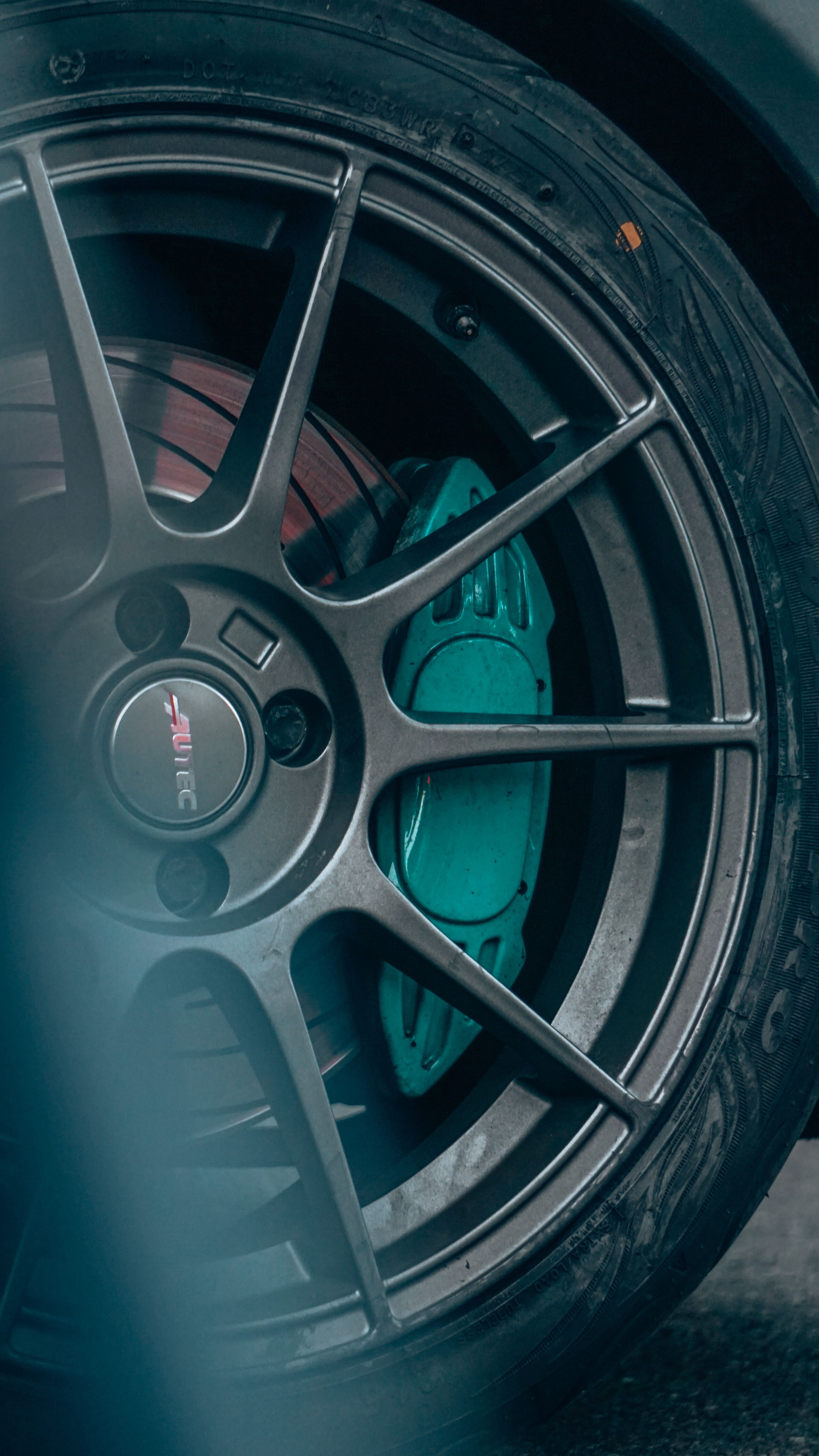
- Brakes – pads, rotors, calipers, brake lines, and fluid
- Tires & Wheels – tread depth, wear pattern, air pressure, alignment signs
- Suspension & Steering – shocks, struts, ball joints, tie rod ends
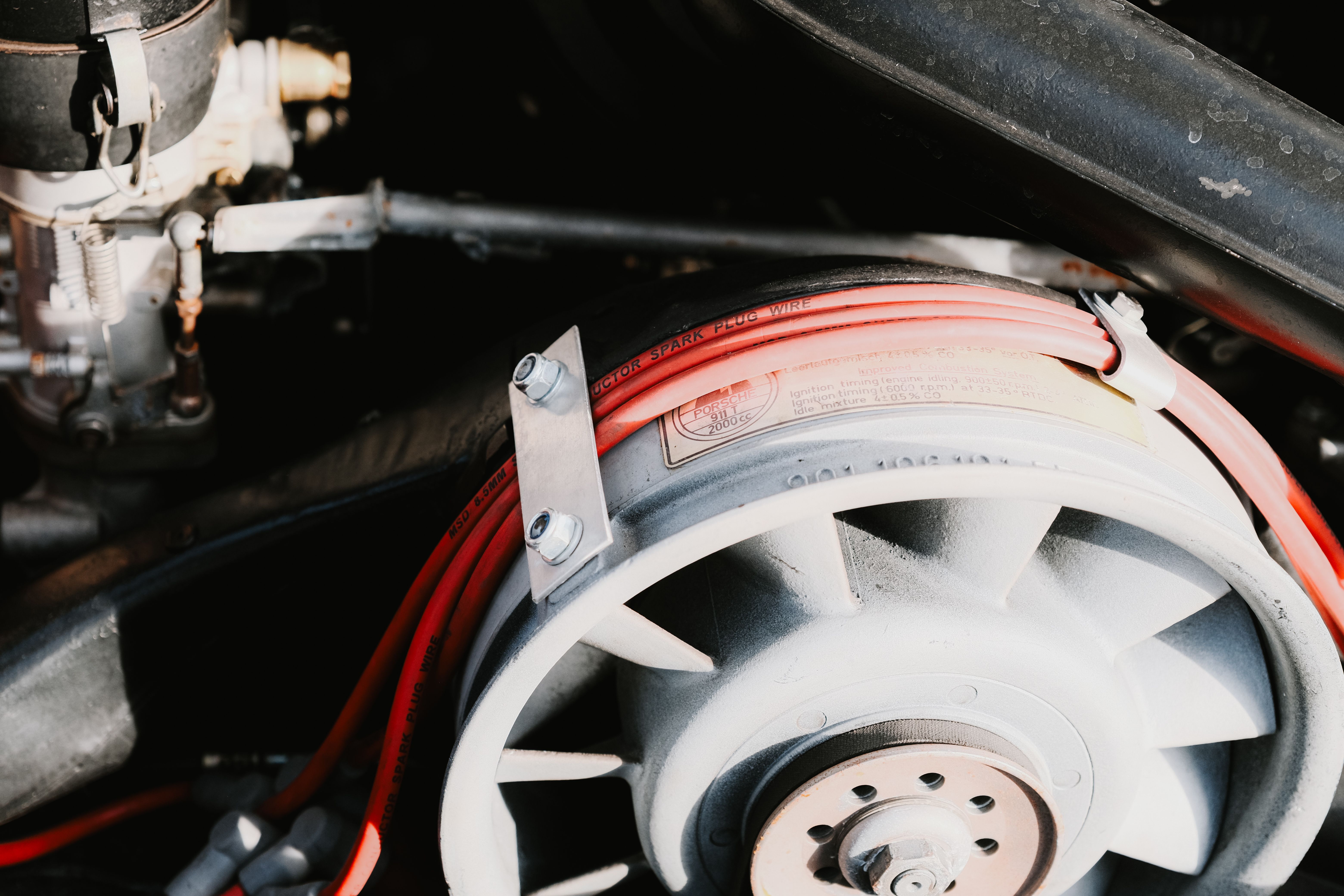
- Engine Components – belts, hoses, filters, visible leaks
- Fluids – engine oil, coolant, brake fluid, transmission fluid, power steering, windshield washer
- Battery & Charging System – battery condition, terminals, alternator output
- Lights & Safety Systems – headlights, brake lights, turn signals, wipers
The goal is simple: catch small issues early, so your car stays safe, dependable, and cheaper to maintain.
Why Regular Inspections Are So Important
Skipping inspections may feel like you’re “saving money,” but in reality, the opposite is usually true. Here’s why regular vehicle inspections are a smart investment:
1. Prevent Expensive Repairs
A worn belt, small coolant leak, or uneven tire wear might not seem serious at first — until they lead to:
- Overheating and engine damage
- Tire blowouts or suspension damage
- Brake failure or warped rotors
Fixing a small issue now is almost always cheaper than waiting for a breakdown.
2. Improve Safety for You and Your Family
Your vehicle’s brakes, tires, steering, and suspension all work together to keep you in control. During an inspection, a mechanic can spot:
- Thin brake pads
- Cracked or bulging tires
- Loose steering components
- Suspension parts that are worn out
Catching these early means shorter stopping distances and better handling in emergencies.
3. Better Performance and Fuel Economy
A well-maintained vehicle doesn’t just feel better to drive — it can also save you money at the pump. Regular inspections help:
- Keep tires properly inflated
- Ensure the engine is running efficiently
- Prevent issues that cause poor acceleration or rough idling
Over time, that adds up to better mileage and fewer surprises.
4. Longer Vehicle Lifespan
Your car is one of your biggest investments. Regular inspections help you:
- Protect your engine and transmission
- Avoid rust or damage from leaks
- Keep parts from wearing out prematurely
If you want your vehicle to last for many years (and keep its value), inspections are essential.
How Often Should You Get a Vehicle Inspection?
How often you need an inspection depends on your driving habits, mileage, and vehicle age, but here are general guidelines:
- At least once a year for most drivers
- Every 6 months if you drive in heavy traffic, extreme temperatures, or on rough roads
- Before long road trips to avoid breakdowns far from home
- Whenever you notice something “off” – strange noises, warning lights, vibrations, or leaks
Many auto repair shops include a complimentary multi-point inspection with services like oil changes or brake jobs. This is an easy way to stay ahead of problems without booking a separate appointment.
Signs You Need an Inspection Now
Schedule a vehicle inspection as soon as possible if you notice:
- Warning lights on the dashboard
- Squealing, grinding, or clunking noises
- Vibrations in the steering wheel or brake pedal
- Car pulling to one side while driving or braking
- Burning smells or visible fluid leaks
- Hard starts, stalling, or rough idling
These are all signs that something isn’t right — and the longer you wait, the worse (and more expensive) it can become.
Why Choose a Professional Auto Repair Shop for Your Inspection?
While you can check basic things at home (like tire pressure or wiper blades), a professional auto repair shop has:
- Experienced, trained technicians
- Diagnostic tools and equipment
- Vehicle-specific knowledge for your make and model
- Lift equipment to properly inspect under the vehicle
A good shop will explain what they find in simple, clear terms, show you any worn parts when possible, and help you decide which repairs are urgent and which are preventative.
Final Thoughts: A Vehicle Inspection Today Can Save You Tomorrow
Regular vehicle inspections are one of the most effective ways to:
- Avoid sudden breakdowns
- Save money on major repairs
- Keep your car safe and reliable
- Extend the life of your vehicle
If you’re not sure when your last inspection was—or if your car has been acting differently—it’s a great time to schedule a professional vehicle inspection with a trusted auto repair shop near you.