February 2, 2026
How to Know When Your Car Needs a Diagnostic Test
How to Know When Your Car Needs a Diagnostic Test
Modern vehicles are smarter than ever, but that doesn’t mean problems disappear on their own. When something goes wrong, your car’s computer system stores error codes that help identify the issue. A vehicle diagnostic test is the fastest and most accurate way to find out what’s really happening under the hood.
In this guide, we’ll explain when your car needs a diagnostic test, common warning signs, and why early testing can save you money.
What Is a Car Diagnostic Test?
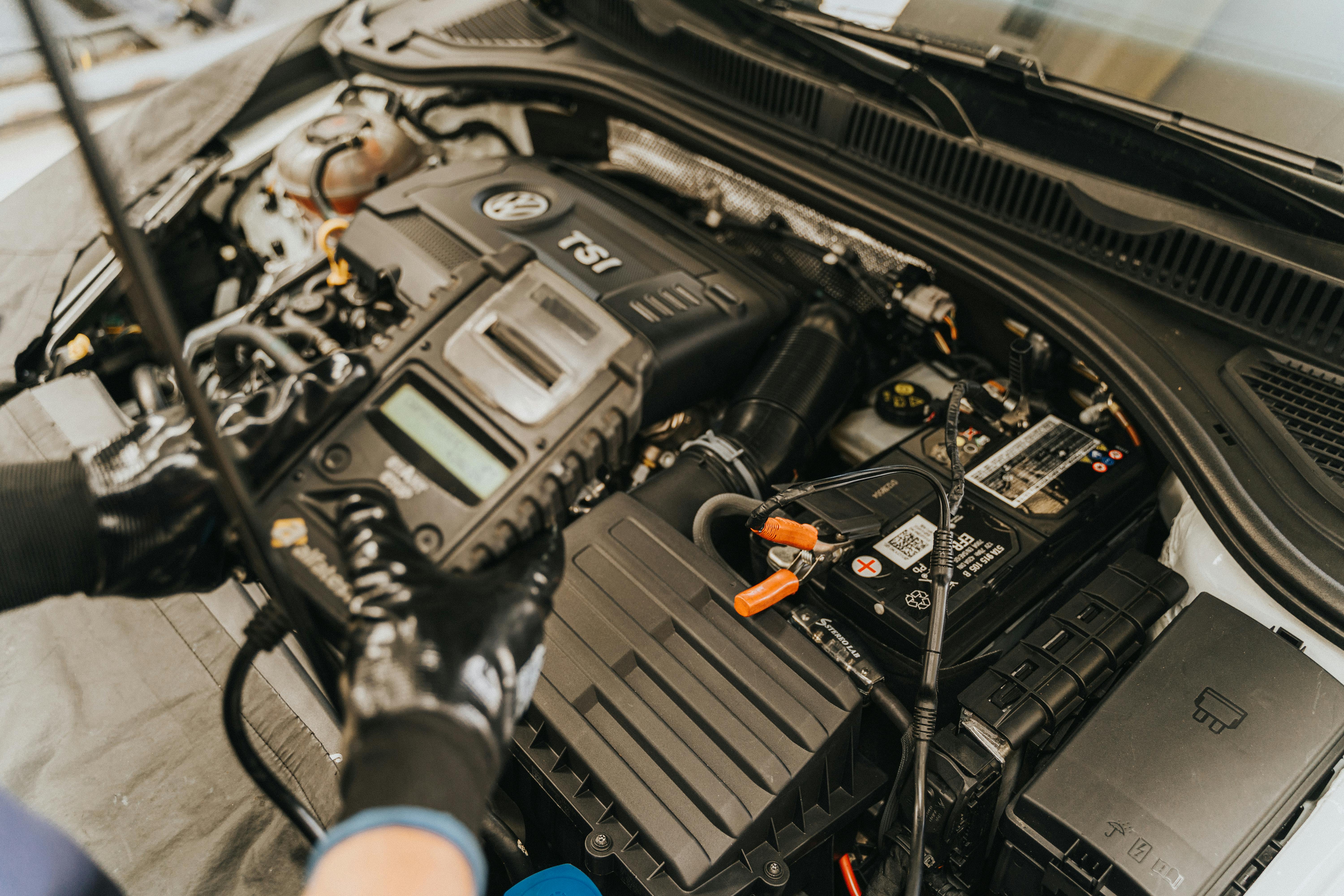
A car diagnostic test uses specialized tools to communicate with your vehicle’s onboard computer system. This system monitors the engine, transmission, emissions, and other key components.
During a diagnostic test, a professional mechanic can:
- Read trouble codes
- Identify system failures
- Pinpoint performance issues
- Recommend the correct repairs
This removes guesswork and prevents unnecessary part replacements.
1. Check Engine Light Is On
The most common reason to schedule a diagnostic test is a check engine light.
- Solid light: Indicates a problem that should be checked soon
- Flashing light: Signals a serious issue that needs immediate attention
Even if the car seems to drive fine, ignoring this light can lead to bigger problems.
2. Reduced Engine Performance or Power
If your car feels sluggish, struggles to accelerate, or loses power while driving, a diagnostic test can identify the cause.
Common issues include:
- Sensor failures
- Fuel system problems
- Engine misfires
- Airflow issues
Early testing helps prevent further damage to the engine or transmission.
3. Poor Fuel Efficiency
A sudden drop in gas mileage is often a sign that something isn’t working correctly.
Possible causes:
- Faulty oxygen sensors
- Dirty or failing mass airflow sensors
- Ignition system issues
A diagnostic scan can quickly identify the issue and help restore fuel efficiency.
4. Hard Starting or Stalling
If your vehicle struggles to start, stalls at stoplights, or shuts off unexpectedly, it’s time for diagnostics.
These symptoms may point to:
- Battery or charging system problems
- Fuel delivery issues
- Sensor or ignition failures
Ignoring these signs could leave you stranded.
5. Warning Lights Besides the Check Engine Light
Your dashboard may display other warning lights that require diagnostics, including:
- ABS light
- Traction control light
- Transmission warning light
- Airbag light
Each of these systems relies on sensors that must be tested with diagnostic equipment.
6. Strange Noises, Smells, or Vibrations
Unusual sounds or smells often indicate underlying problems.
Examples include:
- Knocking or ticking noises
- Burning smells
- Excessive vibrations
A diagnostic test helps narrow down the cause before mechanical damage occurs.
Why You Shouldn’t Ignore Diagnostic Warning Signs
Putting off diagnostics can:
- Turn small issues into major repairs
- Reduce fuel efficiency
- Increase emissions
- Cause breakdowns
- Lead to higher repair costs
The earlier the problem is identified, the easier and cheaper it is to fix.
Why Choose a Professional Auto Repair Shop for Diagnostics?
Professional auto repair shops use advanced diagnostic tools designed for modern vehicles. This allows technicians to:
- Accurately interpret trouble codes
- Perform system tests
- Confirm the root cause of the issue
- Provide clear repair recommendations
DIY scanners often show codes but don’t explain why the problem occurred.
Final Thoughts
A diagnostic test is one of the most powerful tools for maintaining your vehicle. If your car is showing warning lights, running differently, or using more fuel than usual, diagnostics can catch the problem early.
If you suspect your vehicle needs attention, schedule a professional diagnostic test with our trusted auto repair shop near you and drive with confidence.