August 4, 2026
When Should You Replace Your Timing Belt?

When Should You Replace Your Timing Belt? Signs, Mileage & Why It Matters
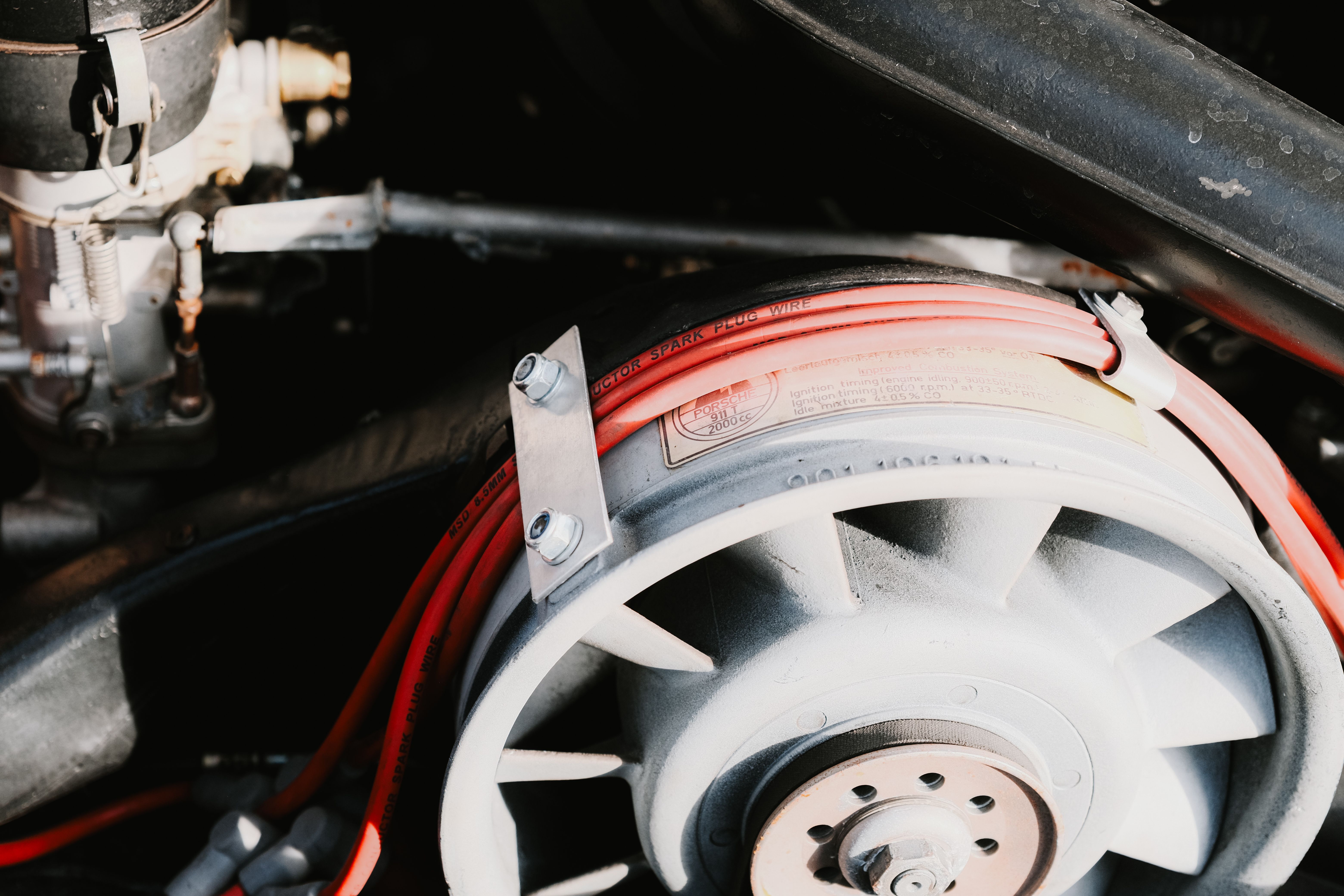
Your vehicle's timing belt is one of the most critical components of your engine. While it's hidden from view, it plays a vital role in keeping your engine running smoothly. If a timing belt fails, it can cause severe engine damage that may cost thousands of dollars to repair.
In this guide, we'll explain when to replace your timing belt, common warning signs of wear, and why following your manufacturer's maintenance schedule is essential.
What Does a Timing Belt Do?
The timing belt synchronizes the rotation of the crankshaft and camshaft, ensuring your engine's valves open and close at precisely the right time.
Without a properly functioning timing belt, the engine cannot operate correctly. In many vehicles, a broken timing belt can cause the pistons and valves to collide, resulting in catastrophic engine damage.
How Often Should a Timing Belt Be Replaced?
Most manufacturers recommend replacing the timing belt between 60,000 and 100,000 miles, depending on the make and model of your vehicle.
Always refer to your owner's manual for the recommended replacement interval. Replacing the belt before it fails is significantly less expensive than repairing engine damage caused by a broken belt.
Signs Your Timing Belt May Need Replacement
Although timing belts often wear without obvious symptoms, there are several warning signs to watch for.
1. Ticking Noise From the Engine
A worn timing belt may produce a ticking sound coming from the engine due to improper synchronization of internal components.
2. Engine Misfires
If the timing belt begins to slip, the engine's timing can become inaccurate, causing cylinders to misfire and reducing engine performance.
3. Difficulty Starting the Engine
A worn or damaged timing belt can make it difficult—or impossible—for the engine to start.
4. Rough Idling
Improper valve timing caused by a stretched or worn timing belt may result in rough or uneven engine idle.
5. Oil Leaks Near the Timing Cover
Oil leaking from the timing cover may indicate worn seals that can contaminate the timing belt and shorten its lifespan.
What Happens If a Timing Belt Breaks?
A broken timing belt can cause:
- Bent valves
- Damaged pistons
- Cylinder head damage
- Complete engine failure
On interference engines, the repair costs can be several times higher than the cost of replacing the timing belt as preventive maintenance.
Should You Replace the Water Pump at the Same Time?
In many vehicles, the water pump is driven by the timing belt.
Since both components require similar labor to access, many mechanics recommend replacing the water pump, tensioners, and idler pulleys during timing belt service.
Doing so can save money on future labor costs and improve long-term reliability.
Why Professional Timing Belt Service Matters
Timing belt replacement requires specialized tools and precise engine timing.
A professional auto repair shop can:
- Install a manufacturer-recommended timing belt
- Replace worn tensioners and pulleys
- Inspect the water pump and seals
- Ensure proper engine timing
- Test engine performance after installation
Professional installation helps prevent costly engine damage and ensures reliable operation.
How to Extend the Life of Your Timing Belt
While timing belts naturally wear over time, you can maximize their lifespan by:
- Following the manufacturer's maintenance schedule
- Repairing oil leaks promptly
- Avoiding engine overheating
- Scheduling routine inspections during major maintenance
Preventive maintenance is the best way to avoid unexpected timing belt failure.
Final Thoughts
Your timing belt is a small component with a huge responsibility. Replacing it at the recommended interval can protect your engine, improve reliability, and help you avoid one of the most expensive engine repairs.
If your vehicle is approaching the recommended timing belt replacement interval or you're experiencing engine performance issues, schedule an inspection with our trusted auto repair shop to keep your engine running safely and efficiently.