January 2, 2026
When Is It Time to Replace Your Brakes?
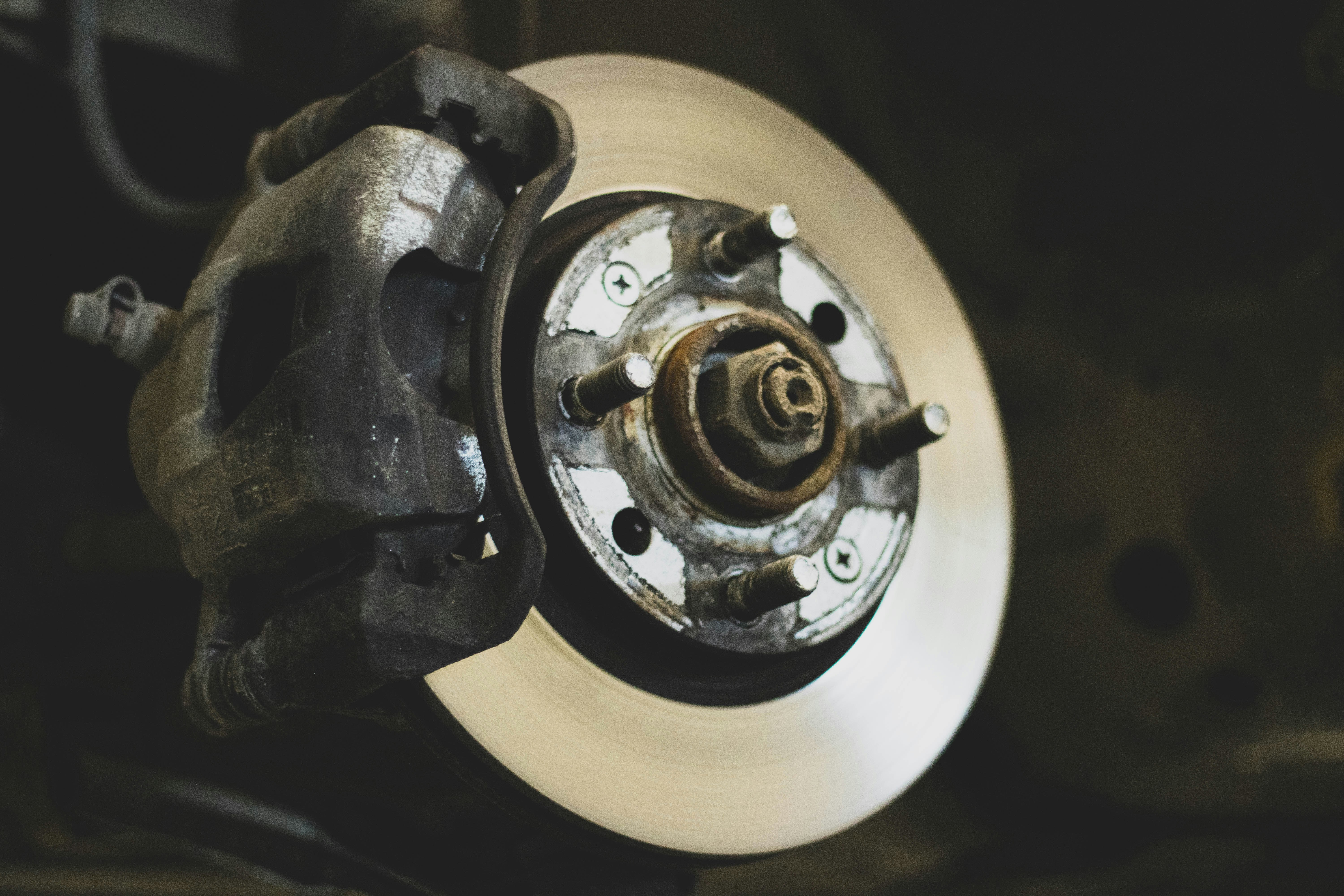
When Is It Time to Replace Your Brakes? Warning Signs You Should Never Ignore
Your brakes are one of the most important safety systems in your vehicle. Knowing when it’s time to replace your brakes can help you avoid dangerous driving conditions, costly repairs, and unexpected breakdowns.
In this guide, we’ll explain the most common signs of worn brakes, how long brake components usually last, and when you should schedule a professional brake inspection.
1. Squealing, Grinding, or Screeching Noises
One of the earliest signs that your brakes need attention is noise.
Common brake sounds include:
- Squealing: Often caused by worn brake pads
- Grinding: Indicates pads may be completely worn, allowing metal-to-metal contact
- Screeching: Can point to damaged brake hardware
Grinding noises mean immediate service is needed. Continuing to drive can damage your rotors and significantly increase repair costs.
2. Vibrations or Pulsing When Braking
If you feel vibration in the steering wheel or brake pedal when slowing down, your brake rotors may be warped or uneven.
This can happen due to:
- Overheating
- Excessive wear
- Aggressive braking habits
Warped rotors reduce braking efficiency and should be inspected by a professional mechanic as soon as possible.
3. Longer Stopping Distances
If your vehicle takes longer to stop than it used to, your brakes may be worn or losing effectiveness.
Possible causes include:
- Thin brake pads
- Contaminated brake fluid
- Worn rotors or calipers
Longer stopping distances increase accident risk, especially in traffic or bad weather.
4. Brake Warning Light on the Dashboard
Many modern vehicles are equipped with brake wear sensors. If your brake warning light comes on, it’s a clear sign that your braking system needs inspection.
This light may indicate:
- Worn brake pads
- Low brake fluid
- ABS system issues
Ignoring this warning can lead to brake failure or more expensive repairs.
5. Soft or Spongy Brake Pedal
A brake pedal that feels soft, spongy, or sinks toward the floor can signal serious problems.
Common causes include:
- Air in the brake lines
- Brake fluid leaks
- Worn brake components
This is a safety issue and should be inspected immediately.
6. Car Pulls to One Side When Braking
If your vehicle pulls left or right when braking, it could indicate uneven brake wear or a sticking caliper.
Driving with this issue can:
- Reduce control
- Cause uneven tire wear
- Increase stopping distance
A brake inspection can identify and fix the issue before it worsens.
7. How Long Do Brakes Typically Last?
Brake lifespan depends on driving habits, vehicle type, and road conditions.
Average brake service intervals:
- Brake pads: 30,000–70,000 miles
- Brake rotors: 50,000–70,000 miles
- Brake fluid: Every 2–3 years
Stop-and-go traffic, hills, towing, and aggressive driving can shorten brake life.
Why Regular Brake Inspections Matter
Routine brake inspections help:
- Catch wear early
- Prevent rotor and caliper damage
- Improve stopping performance
- Reduce repair costs
- Keep you and your passengers safe
Most auto repair shops recommend a brake inspection at least once a year or during every oil change.
When to Schedule a Brake Inspection
Schedule brake service immediately if you notice:
- Unusual brake noises
- Warning lights
- Vibrations or pulling
- Changes in pedal feel
- Reduced stopping power
Early service is always safer and more affordable than waiting.
Final Thoughts
Brakes don’t usually fail without warning—they give clear signs when something is wrong. Paying attention to these warning signs and scheduling regular brake inspections can help prevent accidents and costly repairs.
If your brakes are making noise, feel different, or haven’t been inspected recently, schedule a free professional brake inspection at our car repair shop today.