February 2, 2026
What to Do When Check Engine Light On?
Check Engine Light On? What It Means and What You Should Do Next
Seeing your check engine light turn on can be stressful—especially if your car seems to be driving fine. While some causes are minor, others can lead to serious engine damage if ignored. Knowing what the check engine light means and when to visit an auto repair shop can save you time, money, and frustration.
What Does the Check Engine Light Mean?
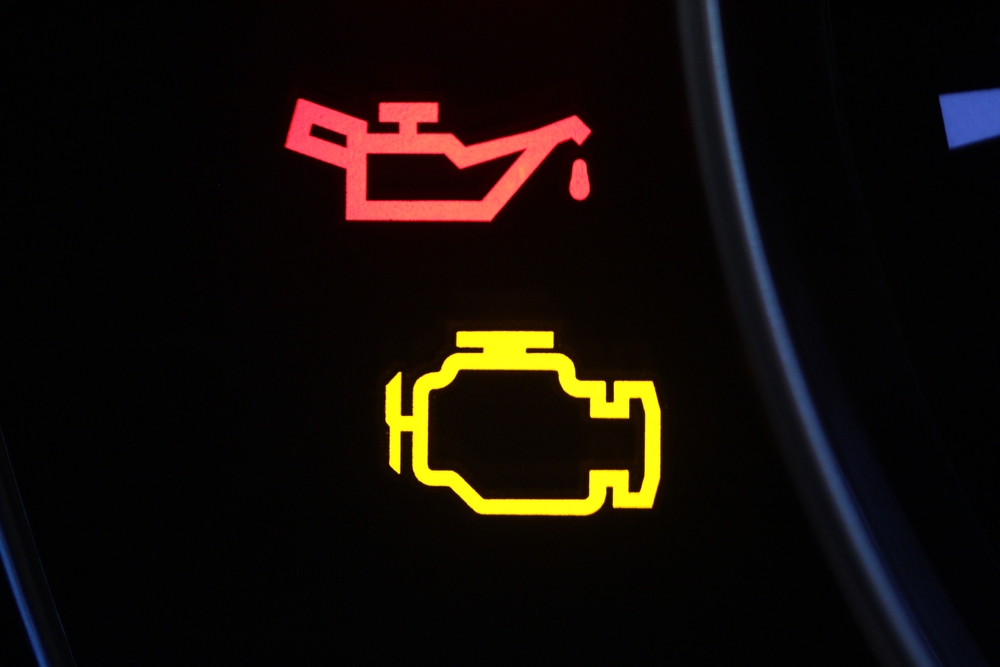
The check engine light is part of your vehicle’s onboard diagnostic system. It alerts you when the engine or emissions system detects a problem.
The issue can range from something simple—like a loose gas cap—to more serious problems involving the engine, transmission, or exhaust system.
Solid vs. Flashing Check Engine Light
Understanding how the light behaves is important:
- Solid check engine light:
Usually indicates a non-urgent issue, but it still needs to be diagnosed soon. - Flashing check engine light:
Signals a serious problem that could cause immediate engine damage. You should stop driving and schedule a diagnostic inspection right away.
Common Reasons the Check Engine Light Turns On
Some of the most frequent causes include:
- Loose or damaged gas cap
- Faulty oxygen sensor
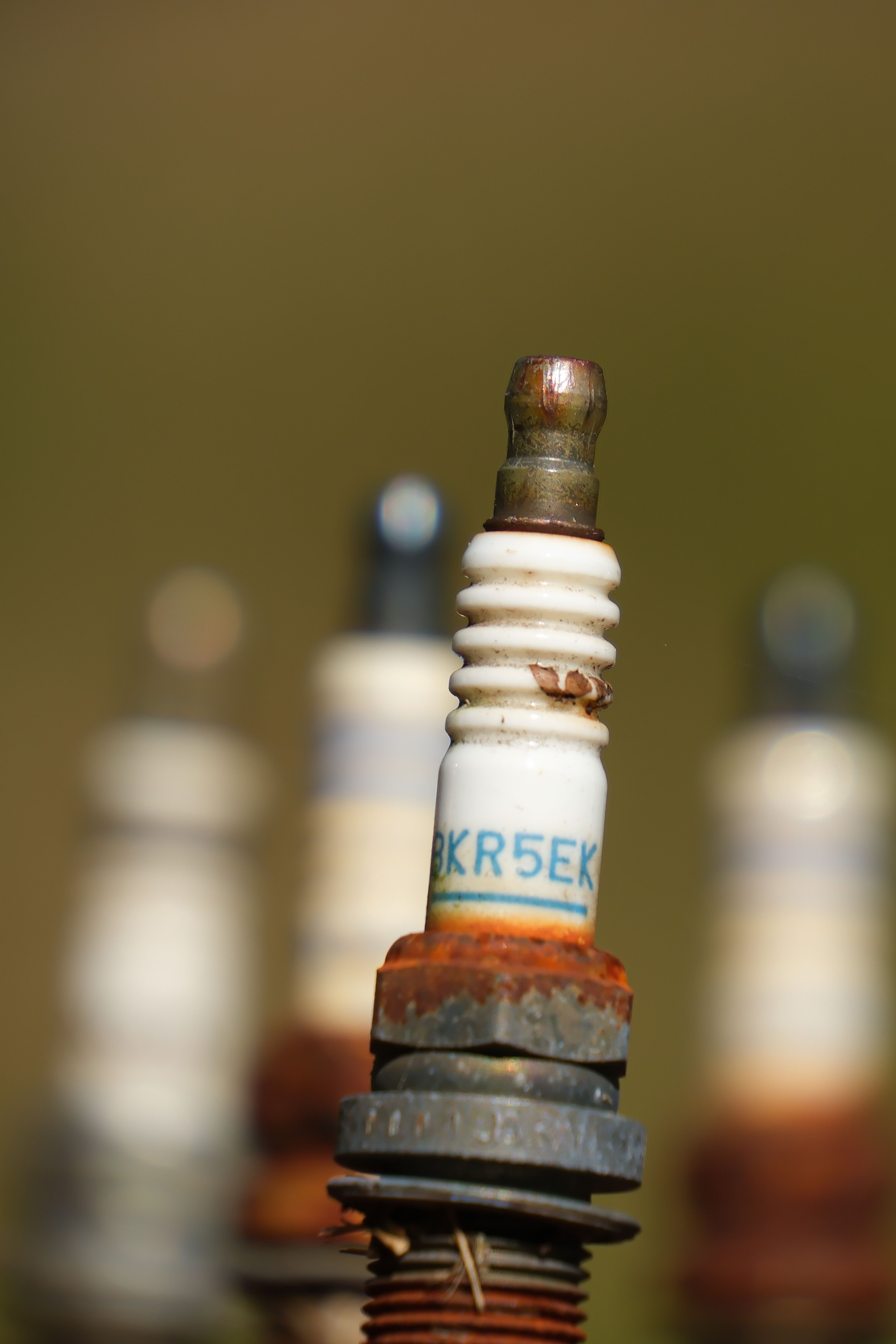
- Worn spark plugs or ignition coils
- Mass airflow sensor issues
- Catalytic converter problems
- Engine misfires
Only a professional diagnostic scan can identify the exact cause.
Can You Keep Driving With the Check Engine Light On?
In some cases, yes—but it’s risky.
Driving with the check engine light on can:
- Reduce fuel efficiency
- Cause poor engine performance
- Lead to expensive repairs
- Damage critical components
The longer you wait, the more costly the repair may become.
Why a Professional Diagnostic Test Matters
A professional auto repair shop uses advanced diagnostic equipment to read trouble codes stored in your vehicle’s computer. This allows the mechanic to:
- Identify the exact issue
- Confirm whether it’s mechanical or electrical
- Recommend the correct repair
- Prevent unnecessary part replacements
Guessing or ignoring the problem often leads to wasted money and time.
When to Schedule a Diagnostic Inspection
You should schedule a diagnostic test if:
- The check engine light stays on for more than a day
- The light starts flashing
- Your car is running rough or losing power
- Fuel economy suddenly drops
- You notice strange noises or smells
Early diagnosis is the key to avoiding major repairs.
Final Thoughts
Your check engine light is not something to ignore—even if your car seems to be running normally. It’s your vehicle’s way of warning you that something needs attention.
If your check engine light is on, schedule a professional diagnostic inspection with our trusted auto repair shop near you to protect your engine and avoid costly damage.