July 2, 2026
Why Your Car Is Losing Power While Driving

Why Your Car Is Losing Power While Driving (Common Causes & Solutions)
A car that suddenly loses power while driving can be frustrating—and in some situations, dangerous. Whether your vehicle struggles to accelerate, hesitates when you press the gas pedal, or feels sluggish on the highway, these symptoms often indicate an underlying mechanical issue that shouldn't be ignored.
In this guide, we'll explain the most common causes of power loss, the warning signs to watch for, and when it's time to schedule a professional vehicle inspection.
What Does It Mean When Your Car Loses Power?
Engine power loss occurs when your vehicle cannot produce the performance it normally should. This may happen gradually over time or appear suddenly while driving.
You may notice:
- Slow acceleration
- Difficulty maintaining highway speeds
- Hesitation when pressing the accelerator
- Engine sputtering
- Reduced fuel economy
- Check Engine Light illumination
These symptoms can originate from several different vehicle systems.
1. Clogged Air Filter
Your engine needs a steady supply of clean air for proper combustion.
A dirty engine air filter can restrict airflow, causing:
- Poor acceleration
- Reduced fuel efficiency
- Sluggish engine performance
Replacing an air filter is inexpensive and helps restore engine performance.
2. Fuel System Problems
A clogged fuel filter or failing fuel pump may prevent the engine from receiving enough fuel.
Common symptoms include:
- Loss of power under acceleration
- Engine hesitation
- Difficulty starting
- Engine stalling
Prompt diagnosis helps prevent complete fuel system failure.
3. Faulty Spark Plugs or Ignition Coils
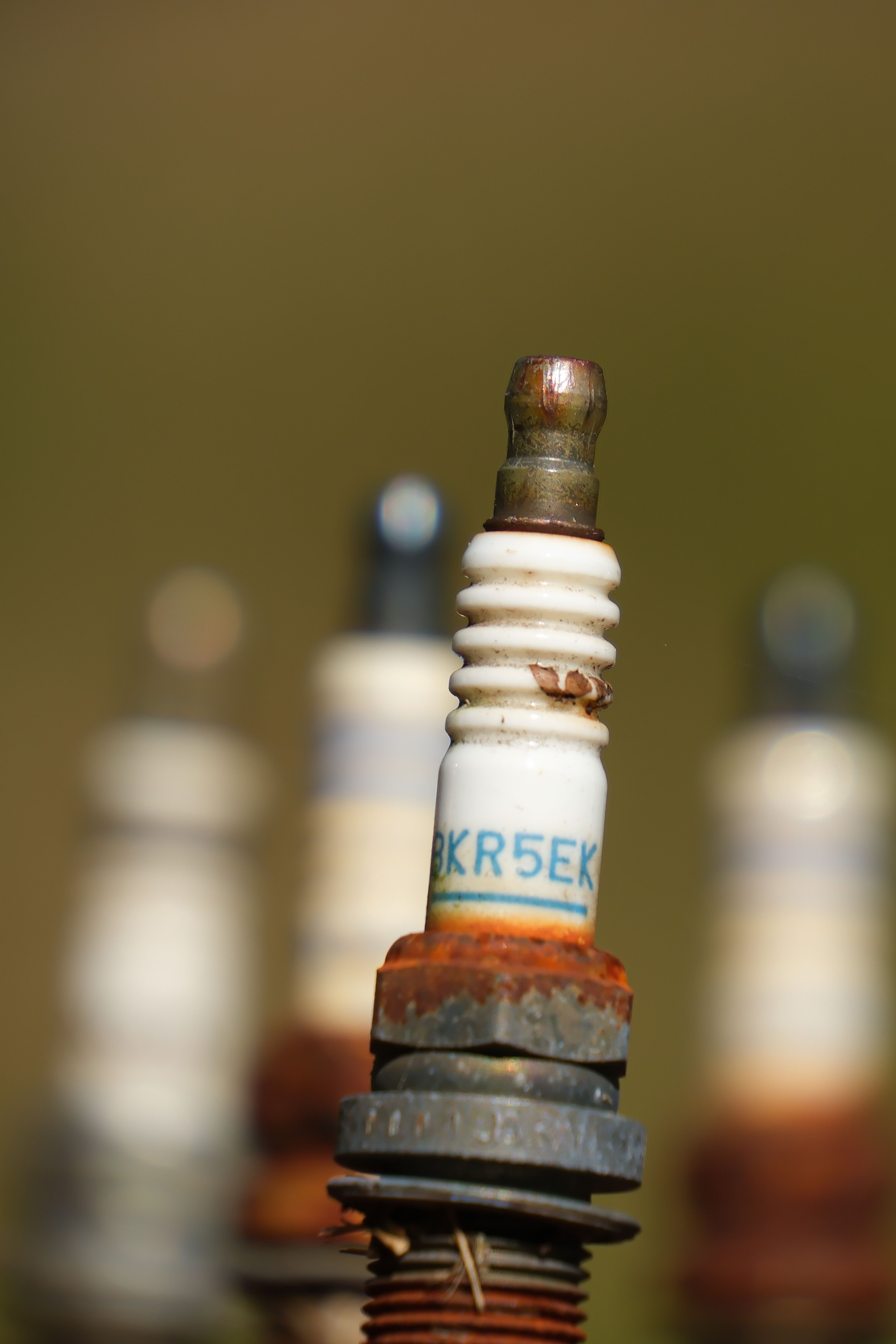
Spark plugs ignite the air-fuel mixture inside the engine.
When spark plugs or ignition coils wear out, you may experience:
- Engine misfires
- Rough idling
- Poor acceleration
- Increased fuel consumption
Replacing worn ignition components improves both performance and efficiency.
4. Mass Air Flow (MAF) Sensor Failure
The mass air flow sensor measures how much air enters the engine.
If it fails, your engine may receive an incorrect fuel mixture, leading to:
- Poor throttle response
- Rough running
- Reduced engine power
- Check Engine Light
5. Catalytic Converter Problems
A clogged catalytic converter restricts exhaust flow, reducing engine performance.
Symptoms include:
- Slow acceleration
- Reduced top speed
- Sulfur or "rotten egg" smell
- Poor fuel economy
Ignoring this issue can lead to more expensive exhaust system repairs.
6. Transmission Issues
Sometimes the engine isn't the problem.
A slipping or malfunctioning transmission can make it feel like your vehicle has lost power.
Signs include:
- Delayed shifting
- High engine RPM with little acceleration
- Gear slipping
- Transmission warning light
Early transmission service can help prevent costly repairs.
Why You Shouldn't Ignore Power Loss
Driving with reduced engine performance can:
- Increase fuel consumption
- Cause additional engine damage
- Leave you stranded
- Reduce driving safety
- Lead to more expensive repairs
Early diagnosis often results in simpler and less costly repairs.
How Professional Diagnostics Identify the Problem
Modern vehicles rely on dozens of sensors and computer-controlled systems.
A professional auto repair shop can:
- Scan diagnostic trouble codes
- Test fuel pressure
- Inspect ignition components
- Evaluate airflow sensors
- Check transmission operation
- Perform a complete engine performance inspection
This allows technicians to accurately identify the root cause instead of replacing parts unnecessarily.
How to Help Prevent Engine Power Loss
Regular maintenance goes a long way toward preventing performance problems.
Be sure to:
- Replace engine air filters on schedule
- Install new spark plugs when recommended
- Keep up with fuel system maintenance
- Change engine oil regularly
- Address warning lights promptly
- Schedule routine vehicle inspections
Preventive maintenance helps your vehicle perform efficiently and reduces the likelihood of unexpected repairs.
Final Thoughts
A loss of engine power is often your vehicle's way of telling you something needs attention. Whether the cause is a clogged air filter, worn spark plugs, fuel system issues, or transmission problems, diagnosing the issue early can help prevent more serious damage.
If your vehicle feels sluggish, struggles to accelerate, or isn't performing like it should, schedule a professional diagnostic inspection with a trusted auto repair shop to restore performance and keep your vehicle running at its best.