March 3, 2026
Why Your Car Is Overheating and How to Prevent Engine Damage

Why Your Car Is Overheating and How to Prevent Engine Damage
A car overheating is one of the most serious issues a driver can face. Not only can it leave you stranded, but it can also cause major engine damage if ignored. Understanding why your car overheats and how to prevent it is essential for keeping your vehicle safe and reliable.
Common Causes of an Overheating Engine
Several factors can cause your car to overheat. The most common include:
1. Low Coolant Levels
Coolant (antifreeze) regulates your engine’s temperature. Low coolant levels often result from:
- Leaks in the radiator, hoses, or water pump
- Evaporation over time
- Failed radiator cap
Regularly checking and topping off coolant can prevent overheating.
2. Faulty Thermostat
The thermostat regulates coolant flow. A stuck thermostat can prevent coolant from circulating properly, causing the engine to overheat quickly.
3. Radiator Problems
The radiator disperses heat from the engine. Issues include:
- Clogged radiator fins
- Leaks
- Broken radiator fan
A malfunctioning radiator reduces cooling efficiency, leading to rising engine temperatures.
4. Water Pump Failure
The water pump circulates coolant throughout the engine. A failing water pump can result in:
- Leaks
- No coolant circulation
- Rapid engine overheating
5. Broken or Slipping Belts
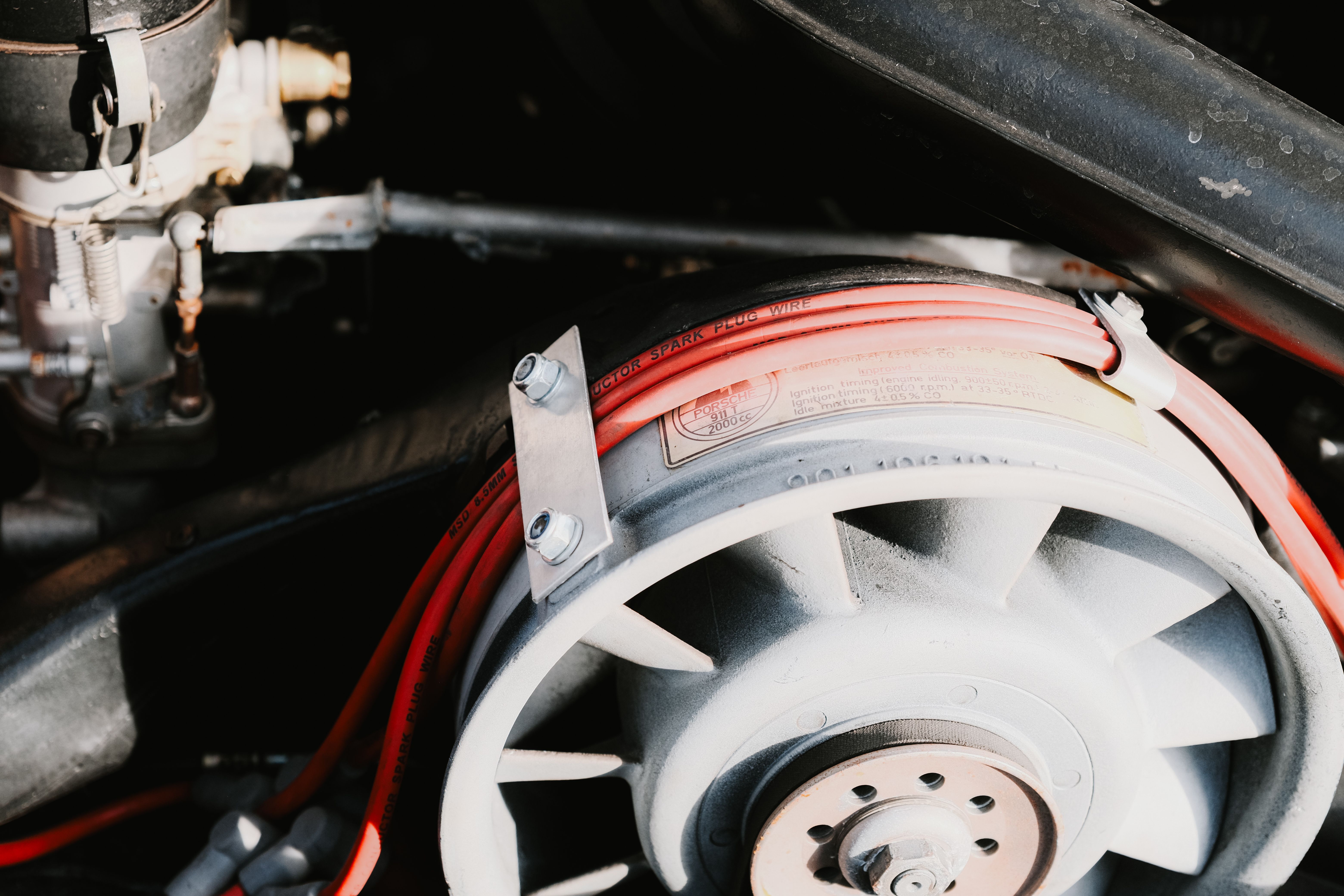
Some engines rely on belts to power the water pump or radiator fan. Worn or broken belts can stop these components from functioning properly.
6. Head Gasket Failure
A blown head gasket can cause coolant to leak into the engine, often resulting in white smoke from the exhaust and severe overheating. This is a critical repair and should be addressed immediately.
Warning Signs Your Car Is Overheating
- Rising temperature gauge
- Steam or smoke from under the hood
- Strange smells (burning coolant)
- Engine knocking or unusual noises
- Reduced engine performance
If you notice any of these signs, pull over safely and turn off your engine immediately to prevent damage.
How to Prevent Engine Overheating
- Check coolant regularly – Top off as needed and use the correct type.
- Inspect hoses and belts – Replace worn or cracked components.
- Monitor radiator function – Ensure fans and vents are clear and working.
- Schedule routine engine inspections – A professional mechanic can spot early issues.
- Avoid heavy strain in extreme conditions – Slow down in traffic, use A/C wisely, and avoid towing beyond your car’s limits without proper equipment.
Why Professional Engine Inspections Matter
A certified mechanic can:
- Perform a cooling system pressure test
- Inspect the radiator, thermostat, water pump, and hoses
- Check for early signs of head gasket failure
- Recommend preventive maintenance
Catching problems early can save thousands of dollars in repairs and prevent total engine failure.
Final Thoughts
Overheating is a serious warning that your engine needs attention. Low coolant, failing components, or a blown head gasket can all lead to major engine damage.
If your car shows signs of overheating, schedule a professional inspection with a our car repair shop immediately to protect your vehicle and avoid costly repairs.