May 1, 2026
Why Your Car Is Making a Clicking Noise?
Why Your Car Is Making a Clicking Noise (And What It Means)
Hearing a clicking noise from your car can be unsettling—especially if you’re not sure what’s causing it. While some clicking sounds are minor, others can signal serious issues that need immediate attention.
In this guide, we’ll break down common causes of clicking noises, what they mean, and when it’s time to visit a professional auto repair shop.
What Does a Clicking Noise in a Car Mean?
Clicking noises usually indicate that something is loose, worn, or not functioning properly. The location and timing of the sound—whether it happens when starting, turning, or driving—can help narrow down the cause.
Common Causes of Clicking Noises
1. Clicking When Turning: CV Joint Issues
If you hear a clicking or popping noise when turning, especially at low speeds, it’s often caused by a worn CV (constant velocity) joint.
Signs include:
- Clicking when turning left or right
- Grease visible near the wheels
- Vibrations while driving
Ignoring this issue can lead to axle failure.
2. Clicking When Starting: Weak Battery
A rapid clicking sound when you turn the key or press the start button usually points to a weak or dead battery.
Possible causes:
- Low battery charge
- Corroded terminals
- Faulty starter motor
If your car doesn’t start and only clicks, it’s time for a battery or electrical system check.
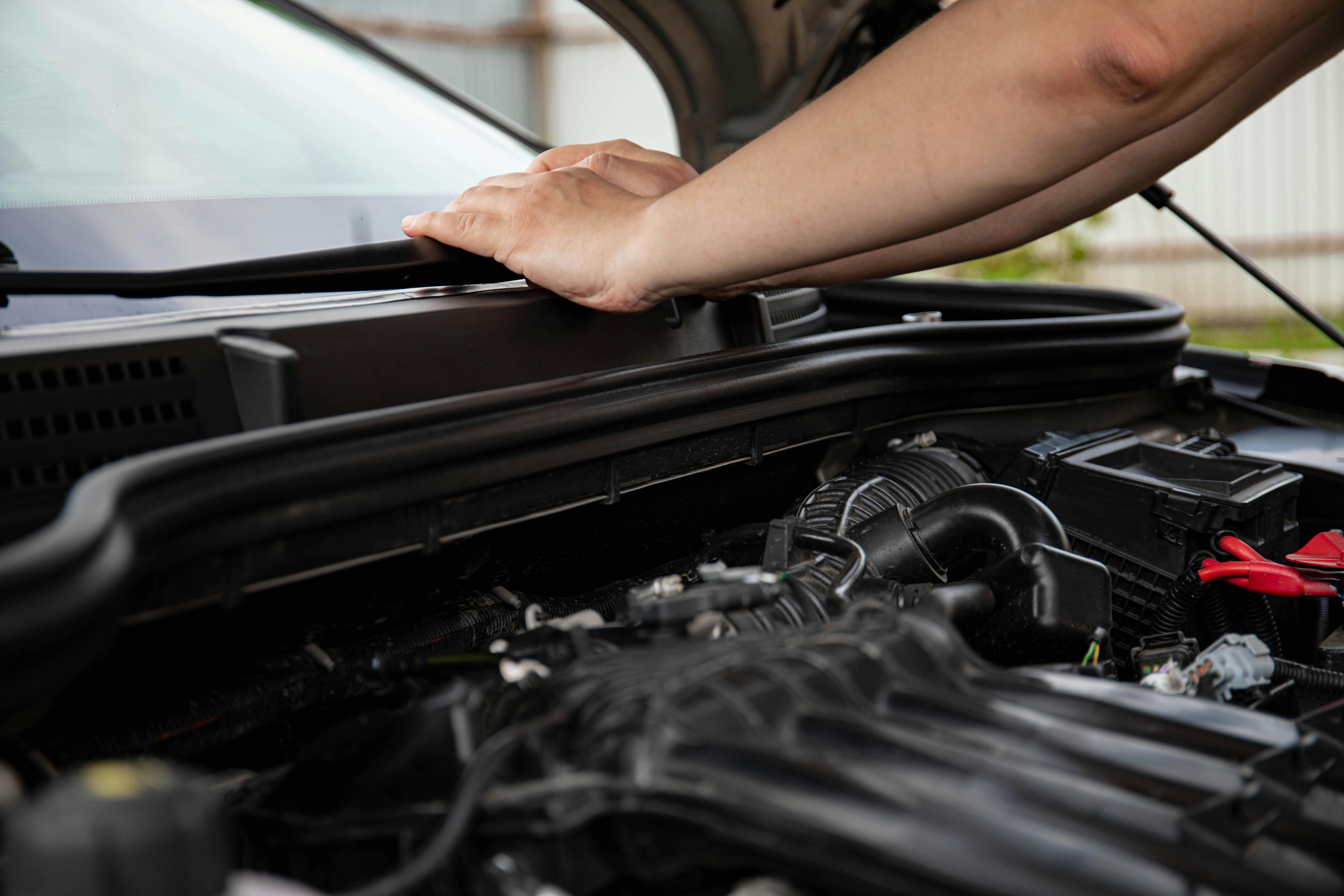
3. Clicking From the Engine: Low Oil or Valve Issues
A clicking or ticking noise coming from the engine may indicate:
- Low engine oil
- Worn valve components
- Poor lubrication
Driving with low oil can cause severe engine damage, so this should be addressed quickly.
4. Clicking While Driving Over Bumps: Suspension Problems
If you hear clicking or clunking over bumps, it may be related to your suspension system.
Common issues include:
- Worn ball joints
- Loose control arms
- Failing sway bar links
These components affect handling and stability, so they should be inspected promptly.
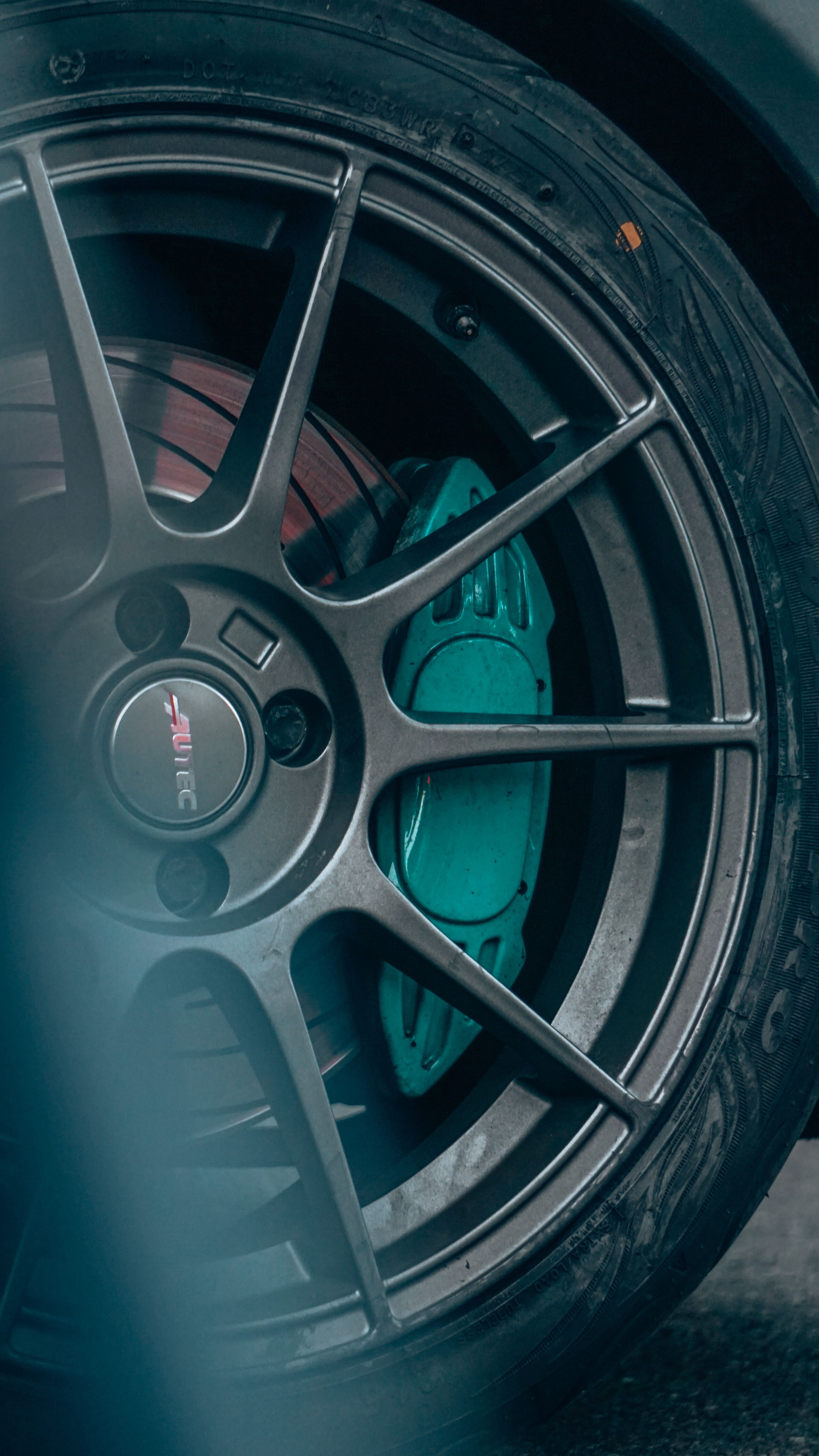
5. Clicking From Wheels: Loose Lug Nuts or Brake Components
Clicking sounds near the wheels may be caused by:
- Loose lug nuts
- Worn brake hardware
- Debris stuck in the brake system
This can be dangerous if not corrected quickly.
Is It Safe to Drive With a Clicking Noise?
It depends on the cause—but in many cases, it’s not safe to ignore.
Driving with unresolved clicking noises can lead to:
- Breakdowns
- Loss of control
- Increased repair costs
- Damage to critical components
The sooner the issue is diagnosed, the better.
When Should You Get It Checked?
You should schedule an inspection if:
- The clicking noise is consistent or getting worse
- It happens when turning, braking, or starting
- Your vehicle performance has changed
- You’re unsure where the noise is coming from
Early diagnosis helps prevent more serious problems.
How a Professional Auto Repair Shop Can Help
A certified mechanic can:
- Perform a full vehicle inspection
- Test your battery and electrical system
- Inspect CV joints, suspension, and brakes
- Identify the exact source of the noise
They’ll recommend the right repair to keep your car safe and reliable.
Final Thoughts
Clicking noises are your car’s way of telling you something isn’t right. Whether it’s a minor issue or a serious problem, getting it checked early can save you money and prevent breakdowns.
If your car is making a clicking noise, schedule a diagnostic inspection with our trusted auto repair shop near you and drive with confidence again.